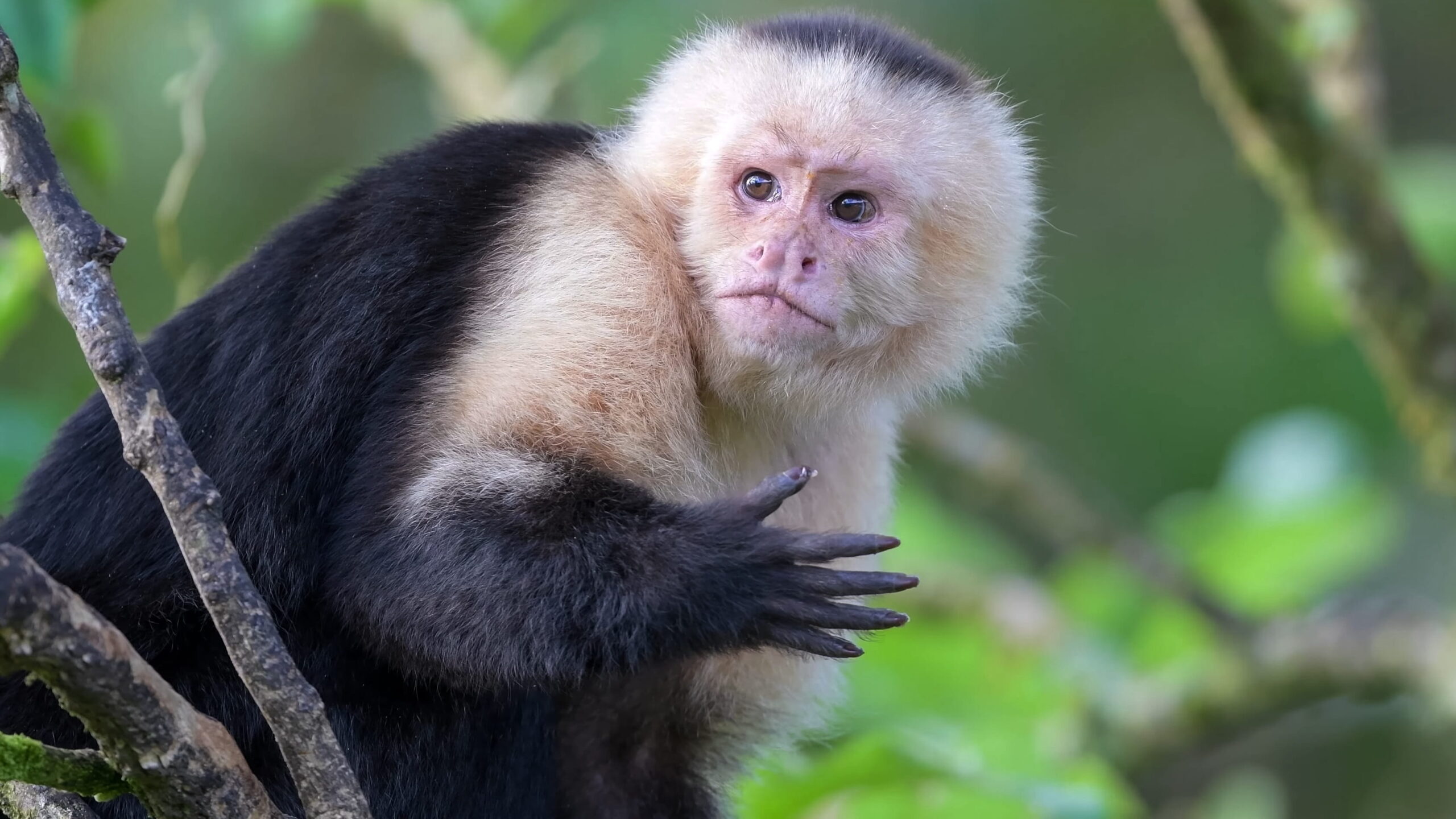
Same-sex sexual behaviour among non-human primates may help strengthen social bonds and maintain group cohesion during environmental or social stress, according to new research. Writing in Nature Ecology & Evolution, scientists analysed reports across 59 primate species, including chimpanzees, Barbary macaques and mountain gorillas, finding the behaviour to be widespread rather than rare. Researchers from Imperial College London suggest this points either to a deep evolutionary origin or to repeated independent evolution.
The study found same-sex behaviour was more common in species living in harsher, drier environments with scarce resources and higher predation risk. It was also linked to longer lifespans, greater size differences between sexes, and complex social hierarchies, all factors associated with intense social competition. The authors argue the behaviour likely plays an affiliative role, reducing tension, limiting aggression and reinforcing bonds that help groups survive challenges. While cautioning against direct comparisons with humans, the researchers note early human species may have faced similar pressures. Independent experts say the findings show such behaviour is a natural and adaptive part of primate social life, while stressing that human sexuality remains far more complex and shaped by many additional factors.