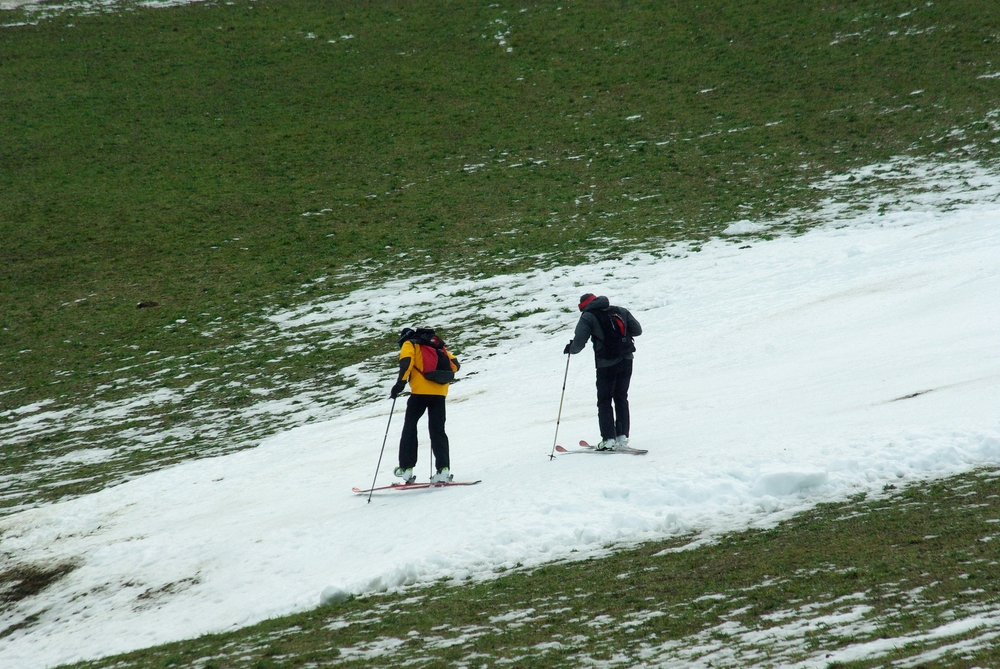
Europe’s ski resorts are being forced to rethink how they operate as rising temperatures and unpredictable snowfall reshape winter tourism. While iconic destinations may still look picture-perfect at times, the reality behind the scenes is far more fragile.
Snow Is No Longer a Given — Even in the Alps
With the Winter Olympics set to open in Milan–Cortina on 6 February, the slopes of the Dolomites are currently covered in snow. But this kind of reliability is becoming increasingly rare. Across Europe, natural snowfall is declining, and when it does arrive, it often fails to last.
To keep runs open, many resorts now rely heavily on artificial snowmaking. While effective in the short term, it comes at a high financial and environmental cost. Producing snow requires large amounts of water and electricity, and those expenses are often passed on to visitors through higher lift-pass prices. For many Europeans, skiing is slowly becoming a luxury rather than a seasonal tradition.
Climate Change Is Redrawing the Winter Sports Map
Even famous ski areas in northern Italy’s Belluno province are feeling the effects of climate change. Warmer winters and fewer snow days are now common across the entire Alpine region. The International Olympic Committee has acknowledged the growing threat, noting that climate change — driven largely by fossil fuel use — is already affecting winter sports.
Research from the University of Waterloo highlights how dramatic the shift could be. Of the 21 cities that have hosted the Winter Olympics since 1924, only four are expected to remain viable by mid-century without major climate action. In a worst-case scenario, where global temperatures rise by 4°C, most former host cities would be unable to stage the Games again — and by 2080, only Japan’s Sapporo could still meet the requirements.
Even if the Paris Agreement’s target of limiting warming to 2°C is met, fewer than half of past Olympic locations would still be suitable by 2050.
A Costly Struggle for Resorts and Skiers Alike
For communities that depend on winter tourism, these challenges are not theoretical. Europe’s ski industry generated around €180 billion in 2022, with the Alps acting as its economic and ecological core. The region is home to 80 million people and spans seven countries, making its future critical to the continent as a whole.
But studies suggest trouble ahead. More than half of Europe’s 2,234 ski resorts are at high risk of severe snow shortages under a 2°C warming scenario. The outlook is particularly grim in the Pyrenees and parts of the French Alps. If temperatures climb by 4°C, nearly all European resorts could struggle to operate.
Artificial snowmaking adds further pressure. Just covering one hectare of slope can require over a million litres of water, while the electricity needed to power snow machines increases emissions, worsening the problem it is meant to solve. Supplying artificial snow across the Alps could consume as much energy as 130,000 households use in a year.
These rising costs are already hitting consumers. Since 2015, the price of skiing in Europe has jumped by nearly 35 percent, far outpacing inflation. Switzerland, Austria and Italy have seen the sharpest increases, pushing many major resorts beyond the reach of average tourists.
As winters continue to warm, Europe’s ski resorts are being forced to adapt — or risk disappearing altogether.