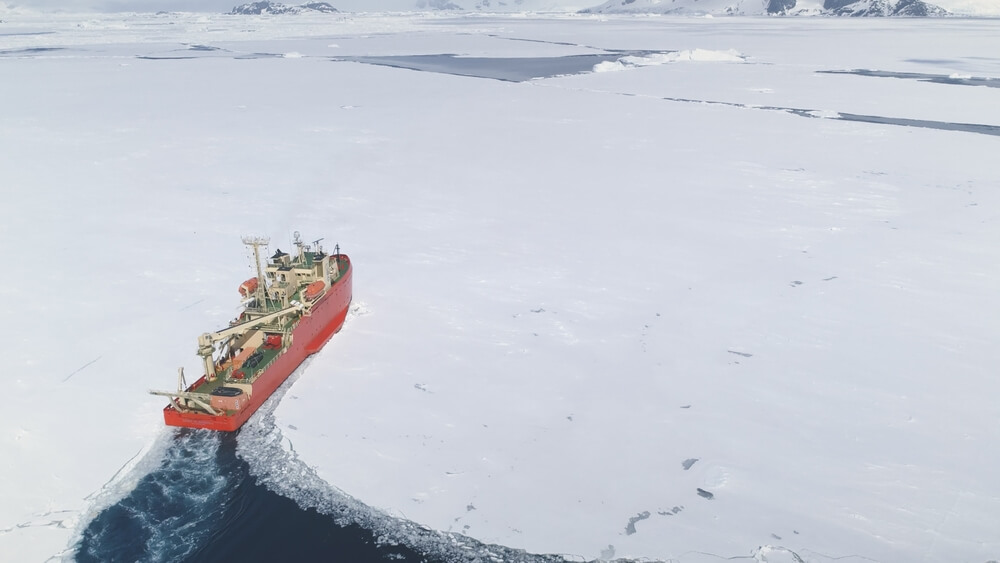
Ships Exploit Melting Ice, Leaving a Trail of Soot
As global temperatures rise, Arctic sea ice is retreating faster than ever, opening shipping routes that were once impassable. Cargo vessels, fishing boats, and cruise liners are now navigating waters north of the 60th parallel, but this increase in traffic comes with a steep environmental cost. Black carbon, or soot, emitted from ship exhaust settles on ice and snow, darkening the surface and accelerating melting by absorbing more sunlight. “It ends up in a never-ending cycle of increased warming,” says Sian Prior, lead adviser for the Clean Arctic Alliance. Melting Arctic ice doesn’t just threaten polar ecosystems—it can also disrupt weather patterns worldwide.
Global Push for Cleaner Arctic Fuels
To address this, France, Germany, Denmark, and the Solomon Islands have proposed that ships in Arctic waters switch to “polar fuels,” lighter alternatives that release far less black carbon. The plan targets all vessels traveling north of the 60th parallel and outlines compliance steps for shipping companies. While a 2024 ban on heavy fuel oil exists, loopholes have limited its impact. Environmentalists argue that stronger fuel regulations are the only practical way to slow black carbon emissions, since reducing traffic itself is unlikely given the economic incentives for shorter shipping routes and Arctic resource access.
Politics and Industry Complicate Action
Efforts to curb Arctic pollution are tangled in geopolitics and local industry interests. International tensions over Arctic sovereignty, especially surrounding Greenland, have overshadowed environmental concerns. Even within Arctic nations, industries like fishing resist stricter regulations due to costs, influencing government positions. In Iceland, for instance, the fishing sector’s sway has slowed adoption of cleaner maritime practices despite the country’s strong green technology initiatives. Meanwhile, Arctic shipping continues to surge: from 2013 to 2023, the number of vessels north of the 60th parallel rose 37%, while the distance they traveled increased 111%. Black carbon emissions from ships grew from 2,696 tonnes in 2019 to 3,310 tonnes in 2024. With limited seasonal windows and the need for icebreakers on the Northern Sea Route, some companies have pledged to avoid Arctic routes, but rising pollution remains a pressing threat.