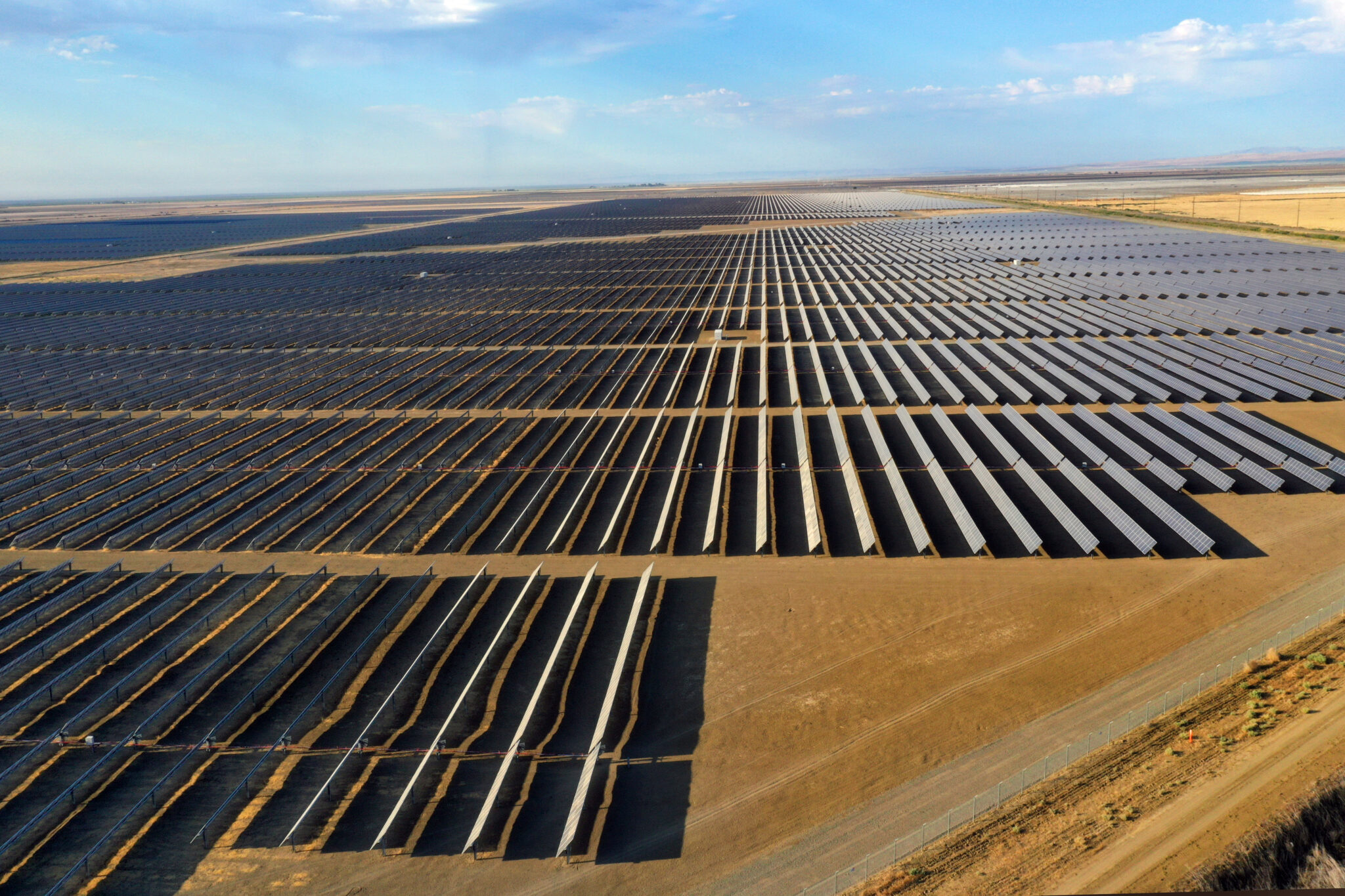
Solar energy costs across the U.S. are falling rapidly, making renewable power more competitive than traditional fossil fuels. Experts say this trend is helping accelerate the adoption of clean energy nationwide and transforming the energy market.
The decline in solar costs is driven by improvements in technology, economies of scale, and government incentives. Panels are becoming more efficient, and manufacturing processes are lowering expenses. As a result, solar power is now cheaper for many consumers and businesses compared with coal, oil, or natural gas.
Lower costs are encouraging both households and companies to switch to solar energy. Businesses see an opportunity to reduce energy bills, while homeowners are increasingly investing in rooftop solar systems. Analysts say that as solar becomes more affordable, the transition to renewable energy will gain momentum.
Falling solar prices are also impacting utility-scale projects. Large solar farms are expanding across multiple states, providing clean power to millions of Americans. Utilities can now invest in renewables at a lower cost, making it easier to meet state and federal clean energy targets.
The cost drop is strengthening the case for renewables in traditionally fossil-fuel-heavy regions. States that relied on coal or natural gas are seeing solar become a financially viable alternative. This shift could reshape energy markets and accelerate the U.S. transition to a low-carbon economy.
Government policies and incentives have helped amplify the trend. Tax credits, rebates, and grants make solar investments more attractive. Combined with falling technology costs, these programs are driving faster adoption of solar power across urban and rural communities alike.
Experts also point out that the benefits go beyond energy savings. Solar adoption reduces greenhouse gas emissions, improves air quality, and supports climate goals. The economic advantages include job creation in solar manufacturing, installation, and maintenance, adding further incentive for adoption.
Analysts expect the trend to continue. As solar panels become cheaper and battery storage technology improves, more Americans will be able to access reliable and affordable renewable energy. This will allow solar to compete directly with fossil fuels in both residential and industrial sectors.
The growth of U.S. solar energy demonstrates how market forces and technology can drive environmental progress. Lower costs make renewables accessible to a broader population, helping communities reduce energy expenses while contributing to climate action.
The combination of falling prices, government incentives, and technological innovation is positioning solar energy as a cornerstone of the nation’s clean energy future. Experts predict that continued investment in solar and storage infrastructure will further accelerate adoption and expand renewable energy’s share of the U.S. energy mix.
As solar energy becomes more affordable and widespread, it is likely to reshape the American energy landscape. Consumers, businesses, and utilities are all poised to benefit from cheaper, cleaner power, making renewables the preferred choice for the nation’s energy needs.