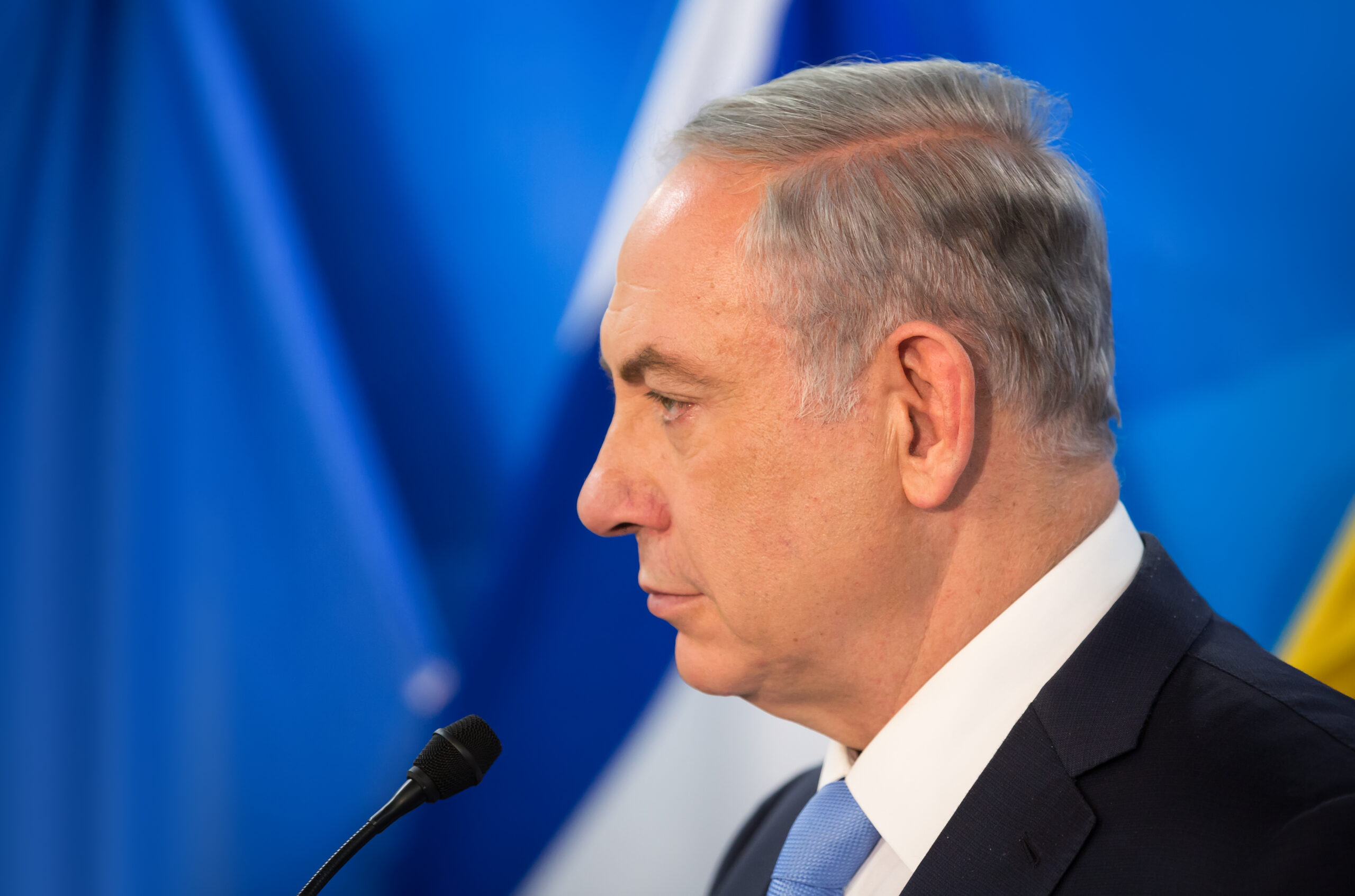
US President Donald Trump and Israeli Prime Minister Benjamin Netanyahu revealed a 20-point plan on 29 September to end the Gaza War.
Trump crafted the proposal with input from Egypt, Qatar, Turkey, and other Arab and Muslim nations.
Reports say the Israeli strike on Doha, which breached Qatari sovereignty while targeting Hamas negotiators, triggered Trump’s intervention.
Freed from domestic constraints, Trump pressured Israel after it had completed major operations in Iran, Lebanon, and Gaza.
On 8 October, Trump announced that Israel and Hamas had signed the deal’s first phase, marking the start of a peace process.
Phase 1: Ceasefire and Humanitarian Exchange
The plan demands an immediate halt to all hostilities, freezing frontlines and suspending military operations.
Israel must release 1,950 Palestinian prisoners, including 250 serving life terms, within 72 hours.
Hamas must free all Israeli hostages, both living and deceased, within the same timeframe.
This phase prioritises humanitarian relief and aims to stabilise the region before moving to deeper political reforms.
Phase 2: Security Overhaul and Disarmament
Negotiations for phase two will begin after the hostages’ release.
The plan requires dismantling Hamas’s military infrastructure, tunnels, and stockpiles to remove its offensive capabilities.
It envisions Gaza as a “de-radicalized, terror-free zone” posing no threat to neighbouring states.
Hamas members willing to disarm and accept peaceful coexistence will receive amnesty or safe passage into exile.
A temporary multinational stabilisation force — including US, Arab, and European troops — will secure Gaza and train a Palestinian police force.
Phase 3: Governance, Reconstruction, and Oversight
Phase three establishes a transitional Palestinian administration led by technocrats and monitored by an international board.
The United Nations and the Red Crescent will supervise aid delivery to ensure transparency and efficiency.
The plan encourages displaced Palestinians to stay and rebuild through economic and social support.
It links future Palestinian statehood to successful governance reforms and reconstruction progress.
The “Board of Peace,” chaired by Trump and joined by figures such as former UK Prime Minister Tony Blair, will oversee implementation.
While the plan recognises Palestinian aspirations for statehood, the United States does not promise formal recognition.
On 30 September, Netanyahu confirmed that no Palestinian state would be created under Trump’s proposal.