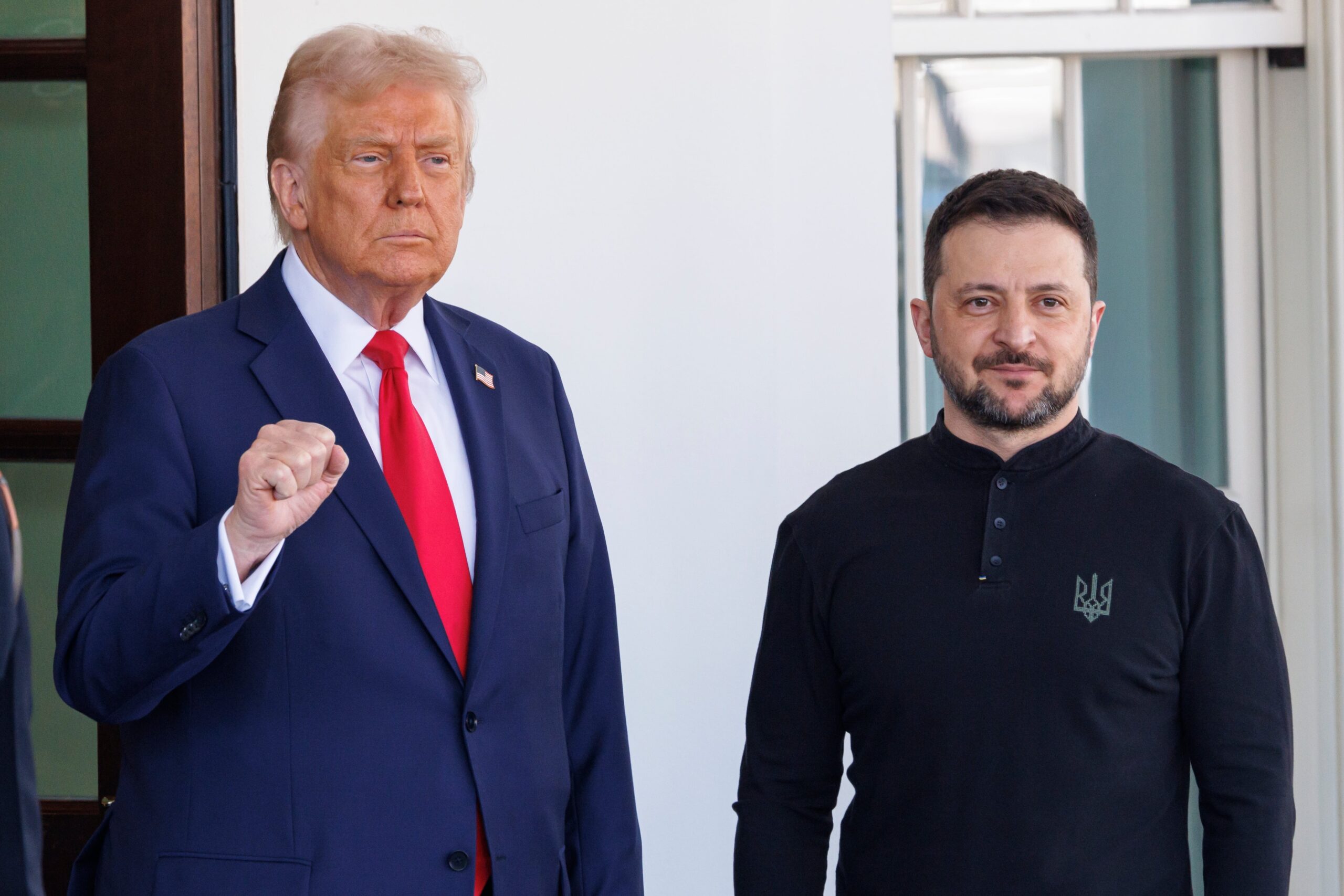
A surprise phone call between US President Donald Trump and Russian President Vladimir Putin on Thursday has disrupted Kyiv’s strategy just as President Volodymyr Zelensky arrived in Washington. The two leaders agreed to meet soon to discuss the war in Ukraine—a move that blindsided Ukrainian officials and changed the tone of Zelensky’s high-stakes visit.
The call came amid one of Russia’s most intense assaults in weeks. In the past 24 hours, Moscow launched dozens of missiles and more than 300 drones across Ukraine. Once again, civilian infrastructure bore the brunt. Gas facilities were damaged, and power outages spread as the country braces for another bitter winter.
Russia’s attacks reveal deeper vulnerability
For Ukraine’s government, the new wave of strikes shows Moscow’s growing desperation. The frontlines remain frozen, with immense losses for minimal territorial gains. At the same time, Ukraine’s drone attacks on Russian oil depots are inflicting serious economic pain.
Zelensky had counted on his visit to the White House to secure more American military aid. Before departing Kyiv, he projected confidence, believing political winds in Washington were shifting. Some advisers even suggested Trump was beginning to understand Ukraine’s position—a remarkable contrast to their heated Oval Office meeting in February, when Trump accused him of “gambling with World War Three.”
The promise and peril of Tomahawk missiles
After the failed Alaska summit between Trump and Putin and Russia’s escalating bombardment, Kyiv sensed that Trump’s patience with his “good friend” might be running out. Ukrainian officials expected Friday’s meeting to bring approval for long-range Tomahawk missiles.
Trump’s comments earlier in the week seemed to support that view. “Do they want Tomahawks going in their direction? I don’t think so,” he said. Yet experts warn that even if approved, deploying the missiles could take months due to logistical hurdles.
Still, such weapons would dramatically expand Ukraine’s reach. They would allow strikes deep inside Russian territory and signal a decisive shift in US strategy toward stronger military backing.
A call that caught Kyiv off guard
The Trump-Putin phone call lasted two and a half hours and occurred while Zelensky was still en route to Washington. The timing could not have been more awkward. His mission to win support for advanced weapons suddenly looked uncertain.
On arrival, Zelensky tried to sound calm. He said Russia was “rushing to renew dialogue” out of fear of Ukraine’s potential new capabilities. Analysts, however, viewed the call as a familiar Kremlin tactic. The Kremlin confirmed that the conversation happened at Moscow’s request. Putin reportedly warned Trump that sending Tomahawks would be a “serious provocation.”
The two leaders also discussed what Russia described as “colossal prospects” for trade if peace talks resumed. They agreed to meet in Hungary within two weeks. Trump later called the exchange “very productive.”
Ukrainians brace for another hard winter
As the conflict grinds into its fourth winter, hope is fading among Ukrainians that Trump can deliver peace. A woman injured in a Russian strike on a train carriage expressed the widespread skepticism: “A person like Putin can’t be trusted,” she said from her hospital bed.
After landing in Washington, Zelensky met defense industry executives to discuss advanced weapons systems, including Tomahawks. He still plans to press for their approval, but the political climate now looks far less favorable.
A familiar diplomatic pattern returns
Every time Trump grows frustrated with Putin’s actions, the Russian president seems able to calm him down. A single call often softens Trump’s stance, delaying new sanctions or advanced weapons deliveries.
The upcoming summit in Hungary, proposed without conditions, does not suggest a major policy shift in Washington. For now, Ukraine’s dream of long-range Tomahawk missiles remains out of reach. Instead of strengthening his hand, Zelensky faces yet another diplomatic obstacle—delivered not on the battlefield, but over the phone.