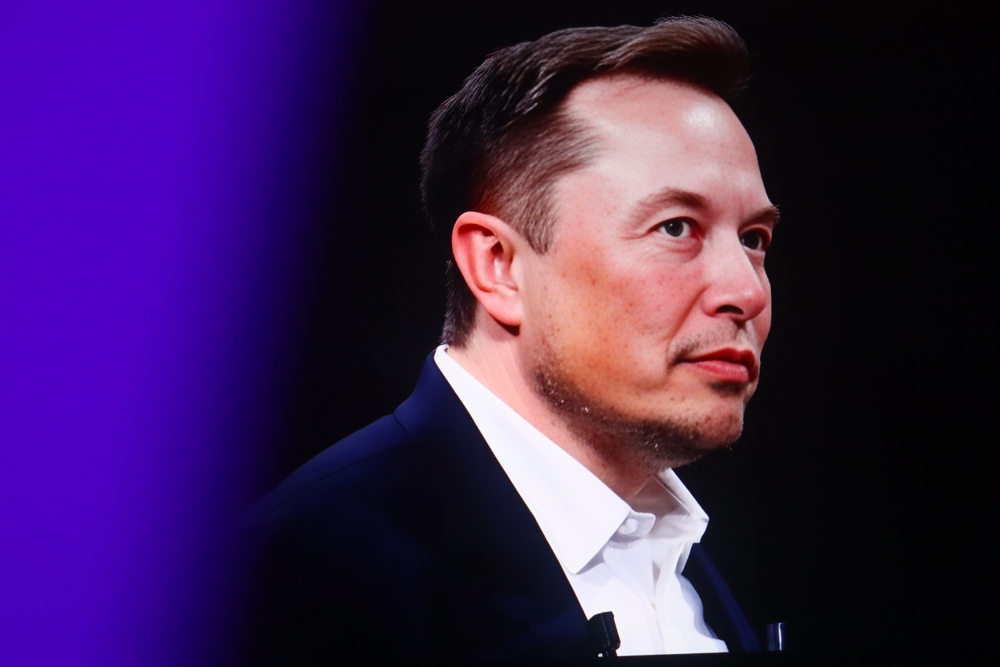
Tesla faces a defining moment this week. Ahead of Thursday’s annual general meeting, the company is sending one bold message to investors: Elon Musk deserves a $1 trillion payout. The electric carmaker has launched a full-scale campaign to convince shareholders. Digital ads promote the proposal, while Votetesla.com shows board chair Robyn Denholm and director Kathleen Wilson-Thompson praising Musk as triumphant music rises behind them. But not all investors are convinced. The meeting in Austin, Texas, is shaping up to be a referendum on Musk himself. His political statements and unpredictable behavior have divided opinion among even his most loyal supporters. On his social platform X, Musk warned that Tesla’s fate “could affect the future of civilization.” He also shared endorsements from Michael Dell, Ark Invest’s Cathie Wood, and his brother Kimbal, who sits on Tesla’s board. “There is no one remotely close to my brother,” Kimbal said proudly. Musk replied, “Thanks bro ❤️.”
Growing frustration among investors
For some shareholders, the pay debate highlights Tesla’s deeper struggles. Sales are slipping, and critics say the company has lost focus on building cars. “It’s stunning that a company struggling to sell vehicles spends money on advertising a pay package,” said Ross Gerber, CEO of Gerber Kawasaki Wealth and Investment Management. He has reduced his Tesla holdings and increased his criticism. “Tesla needs to focus on its core mission — selling electric cars again,” he said.
A trillion-dollar challenge
The proposal doesn’t hand Musk $1 trillion directly. It sets him a challenge: raise Tesla’s market value from $1.4 trillion to $8.5 trillion. He must also oversee the rollout of one million self-driving “Robotaxi” cars, despite their sluggish progress so far. If he achieves those targets, Musk would receive 423.7 million new shares, worth nearly $1 trillion at the goal valuation. Tesla has not commented on its campaign to win over investors.
This is not Musk’s first pay controversy. Shareholders previously approved a multibillion-dollar deal that rewarded him for increasing Tesla’s value tenfold. He succeeded, but in 2024 a Delaware judge overturned that agreement, saying Tesla’s board was too closely linked to him. The Delaware Supreme Court is now reviewing the case while the company seeks approval for this even larger plan.
“Tesla’s behavior remains extraordinary, though that’s not unusual for the company,” said Columbia Law School professor Dorothy Lund. “They’re far from a model of corporate governance.” She noted that such large-scale shareholder campaigns typically occur during activist takeovers, not pay disputes. “I’ve never seen a company do this for a compensation vote,” she said.
Both Elon and Kimbal Musk will cast their votes this time, increasing the likelihood of success. Musk, already the world’s richest man, became the first person to reach a half-trillion-dollar fortune earlier this year.
A board under pressure
Tesla insists it cannot afford to lose Musk. The company says he “uniquely possesses the leadership qualities required to achieve its mission.” In the promotional video, Wilson-Thompson said the board spent seven months consulting legal and pay experts to design the plan. On a recent earnings call, Musk minimized the focus on money, saying his priority was maintaining enough control to guide Tesla’s future.
Critics argue that the board has gone too far. “The board’s job is to protect shareholders, not campaign for a CEO,” said Yale professor Matthew Kotchen, who co-authored a study on the recent harm Musk’s actions have caused Tesla’s brand.
Major institutions have also turned against the proposal. Proxy advisers Glass Lewis and Institutional Shareholder Services have told investors to reject the plan, calling it excessive and damaging to shareholder value. Norway’s sovereign wealth fund — the world’s largest — and CalPERS, the biggest U.S. public pension fund, have both announced they will vote no. New York State Comptroller Thomas DiNapoli has also urged investors to oppose Tesla’s directors, accusing them of failing to ensure “independent oversight and accountability.”
A defining moment for Tesla’s future
With several powerful institutions opposed, Musk may rely heavily on Tesla’s vast army of retail shareholders, who often back him passionately. Morgan Stanley analyst Adam Jonas called Thursday’s vote one of “the most important events in Tesla’s history,” warning that there’s a “real chance” the deal could fail.
Outside the company, Musk faces growing criticism and protests. Demonstrations have continued since his brief, controversial role in Donald Trump’s administration earlier this year. “It’s hard to imagine Musk quickly repairing the damage he’s done to Tesla’s image,” said Kotchen.
Still, his supporters remain convinced of his vision. “Musk’s larger-than-life personality has drawn more attention to Tesla than any other leader could,” said Jessica Caldwell, head of insights at Edmunds. “He’s polarizing, but many still believe he can turn bold, unconventional ideas into reality,” she added.
The question now hangs over Tesla’s future: will shareholders reward Musk with his $1 trillion dream — or decide it’s finally time to say no?