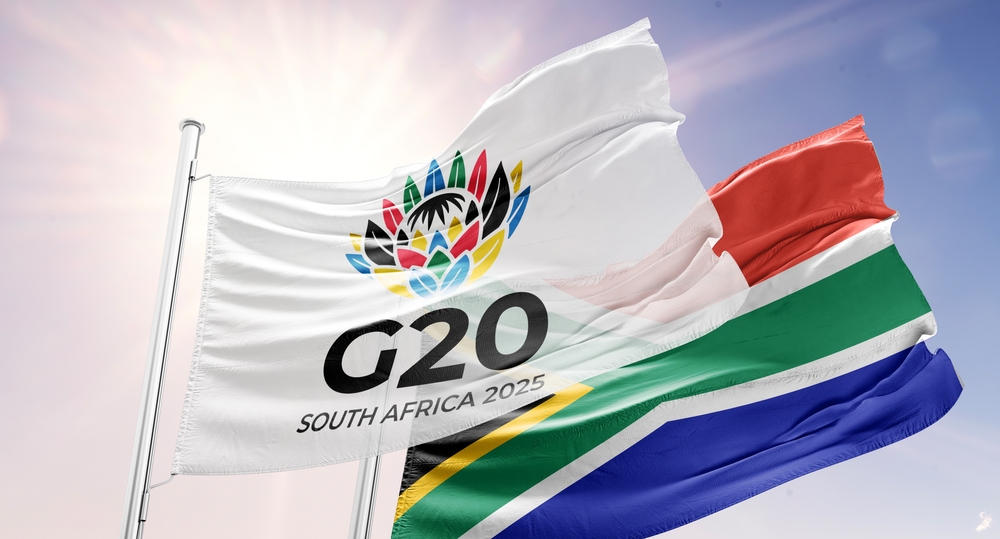
Anti-capitalist groups, climate activists, women’s rights advocates, and anti-migration movements plan demonstrations and highlight South Africa’s struggles with poverty and inequality. Police and army units staged a Wednesday parade with helicopters, K-9 teams, and motorcycle officers to project strength before protests during this weekend’s G20 summit in Johannesburg. Authorities deployed 3,500 additional police officers and placed the army on standby under the National Joint Operational and Intelligence Structure, which unites police, military, and intelligence bodies under one command for major events. Lieutenant General Tebello Mosikili informed reporters that authorities expect protests in Johannesburg and other major cities. She affirmed that officials will permit demonstrations within legal limits. Police marked specific protest zones near the summit venue beside the country’s largest soccer stadium. Airports Company South Africa created “speakers’ corners” inside airports, and security will escort demonstrators there if they protest during leaders’ arrivals.
Demonstrators from various movements intend to raise concerns, including South Africa’s deep inequality and ongoing poverty. A trade union representing Afrikaner workers sparked debate by erecting billboards around Johannesburg declaring: “Welcome to the most RACE-REGULATED country in the world.” City officials removed one sign, prompting the union Solidarity to threaten legal action. The billboards reference South Africa’s affirmative action laws, which aim to expand opportunities for Black citizens and have contributed to diplomatic tension between South Africa and the United States. US President Donald Trump will boycott the G20 summit and claims that South Africa’s Black-led government enforces racist, anti-white policies and targets its Afrikaner minority. Critics across the political spectrum have rejected his accusations, but the US boycott casts uncertainty over Africa’s first G20 summit. Other groups want to use the moment to highlight different urgent issues.
Protest Actions and Political Flashpoints
Women for Change called for a national shutdown on Friday, urging women to stay away from work to protest the country’s alarming rates of femicide and violence against women. The group argued that the G20 cannot discuss progress while South Africa loses a woman to violence every 2.5 hours. An anti-immigration organization announced plans to protest unemployment and poverty, pointing to the country’s 31% unemployment rate as one of the world’s highest. A coalition of climate and inequality activists organised an alternative summit starting Thursday in another part of Johannesburg, stating that the G20 serves wealthy interests.
Intensified Cleanup Before the Summit
Johannesburg authorities launched a major cleanup and repair campaign ahead of the summit to address the city’s long-neglected infrastructure. President Cyril Ramaphosa joined the effort last week by wearing green overalls and assisting workers in Soweto near the summit location. Many residents view the multimillion-dollar operation for a two-day political meeting with skepticism, citing the city’s persistent broken streetlights, potholed roads, and failing services that cause frequent water and electricity outages. Johannesburg resident Lerato Lelusa stated that hosting the G20 will not benefit ordinary citizens and described the event as a waste of money. The summit begins Saturday and will draw leaders and senior diplomats from more than 40 countries, along with global institutions such as the United Nations, the World Bank, the International Monetary Fund, and the World Trade Organisation.