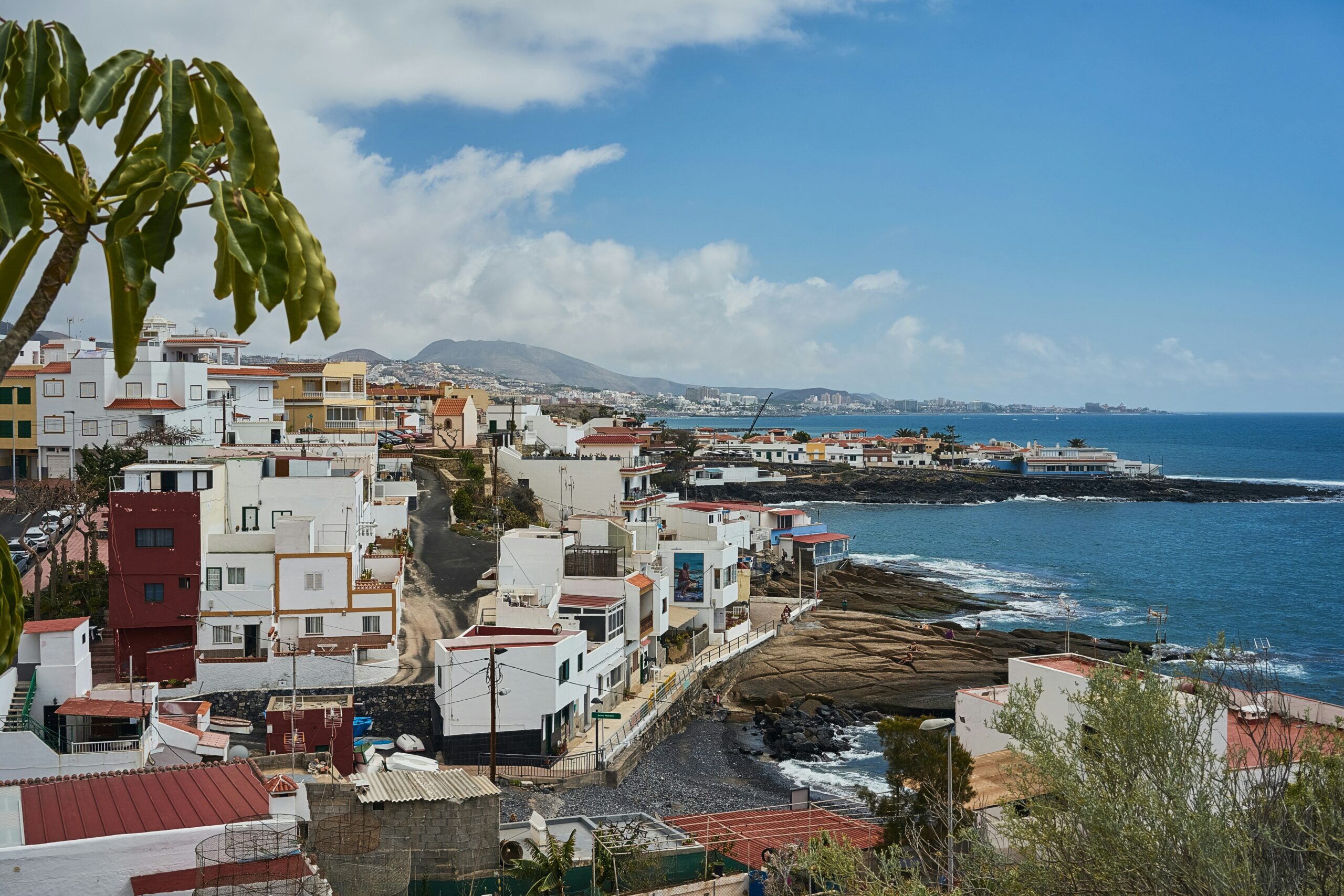
The Canary Islands broke visitor records again, even as protests against overtourism intensified.
New data revealed that visitor numbers have surged across the archipelago throughout 2025.
August figures showed the region becoming increasingly saturated despite ongoing restrictions.
Tourism officials reported that the islands welcomed 1.23 million international visitors in August alone.
That total marked a 6% increase compared with August 2024 and the highest number ever recorded.
The rise continued a nationwide trend of record-breaking tourist summers across Spain.
From January to August, over 10 million foreign travelers arrived in the Canaries, ranking them third in Spain.
Nearly half a million visitors came from the United Kingdom, with Germans also forming a large portion.
Tourism now represents about 35% of the Canary Islands’ entire GDP, underscoring its economic importance.
Islands’ Natural Beauty Draws Millions Year-Round
Situated about 100 kilometers off Africa’s northwest coast, the Canaries attract visitors in every season.
Their mild year-round climate and diverse landscapes make them an ideal European escape.
The archipelago includes seven main islands—Tenerife, Fuerteventura, Gran Canaria, Lanzarote, La Palma, La Gomera, and El Hierro.
Beaches, forests, mountains, and volcanoes draw millions seeking both relaxation and adventure.
Easy air access from across Europe further boosts visitor numbers, though recent Ryanair cancellations may reduce some traffic.
Despite these attractions, many locals have protested against the unchecked growth of mass tourism.
Residents argue that rising prices, crowded public spaces, and environmental degradation threaten their quality of life.
New Rules Aim to Protect Nature and Local Life
Authorities have introduced new measures to balance tourism and conservation across the islands.
By 2026, Tenerife National Park will impose an “eco-tax” for hikers visiting the Teide-Pico Viejo volcano.
Fees will range from €6 to €25 depending on the trail and time of visit.
Unguided hikes to the volcano summit will cost €15, while guided tours will cost €10.
Residents of Tenerife and children under 14 will enter for free, with discounts for Canary Island residents.
Tenerife president Rosa Dávila said the policy will protect “our crown jewel” for future generations.
Other islands are also acting: Gran Canaria’s Mogán introduced a daily €0.15 tourism fee in January.
New national laws now allow residents to vote on banning new short-term holiday rentals.
El Hierro continues to limit visitor access, maintaining no direct flights and few accommodations.
Authorities have also enforced smoke-free beaches and steep fines for public drinking to discourage excessive partying.