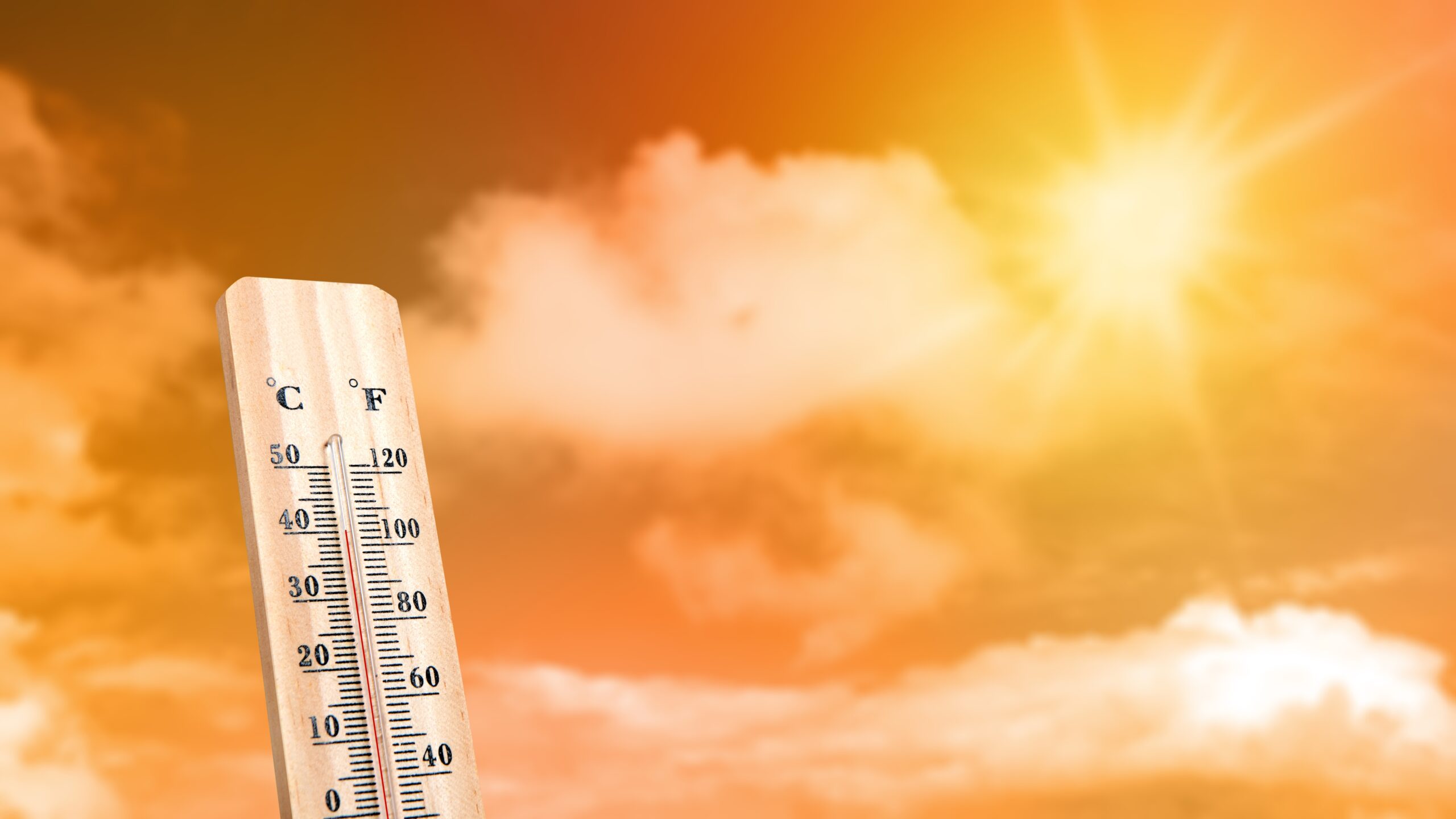
New evidence shows that extreme temperatures darken our moods. Scientists analysed over one billion social media posts from around the world. They found that when heat climbs above 35°C, posts tend to show more negativity and frustration. The effect is particularly strong in low-income countries, where emotional shifts are much sharper than in wealthier regions.
MIT researchers, together with international institutions, mapped online expressions to daily weather. Their results confirm that hotter days consistently reduce positivity. In less wealthy nations, negativity rose by 25%, compared with 8% in richer nations.
Behaviour Under Heat Stress
Earlier studies already hinted at this pattern. Drivers are quicker to honk in hot weather, and journalists use harsher words during heatwaves. Historical data revealed that violent incidents, uprisings, and murders often peak in hot seasons. Heat is also associated with elevated suicide rates.
Scientists suggest temperature can influence brain chemistry or trigger hormonal changes linked to aggression and stress. But they also stress that social and environmental factors may amplify these effects.
Preparing for a Hotter Future
Climate projections estimate a 2.3% decline in global sentiment by 2100 if temperatures continue to rise. Vulnerable groups often missing from social media data—such as elderly people and children—may face even greater risks.
Researchers argue that adaptation should include emotional resilience. Facing not only the physical but also the psychological consequences of heat could be critical for societies worldwide.