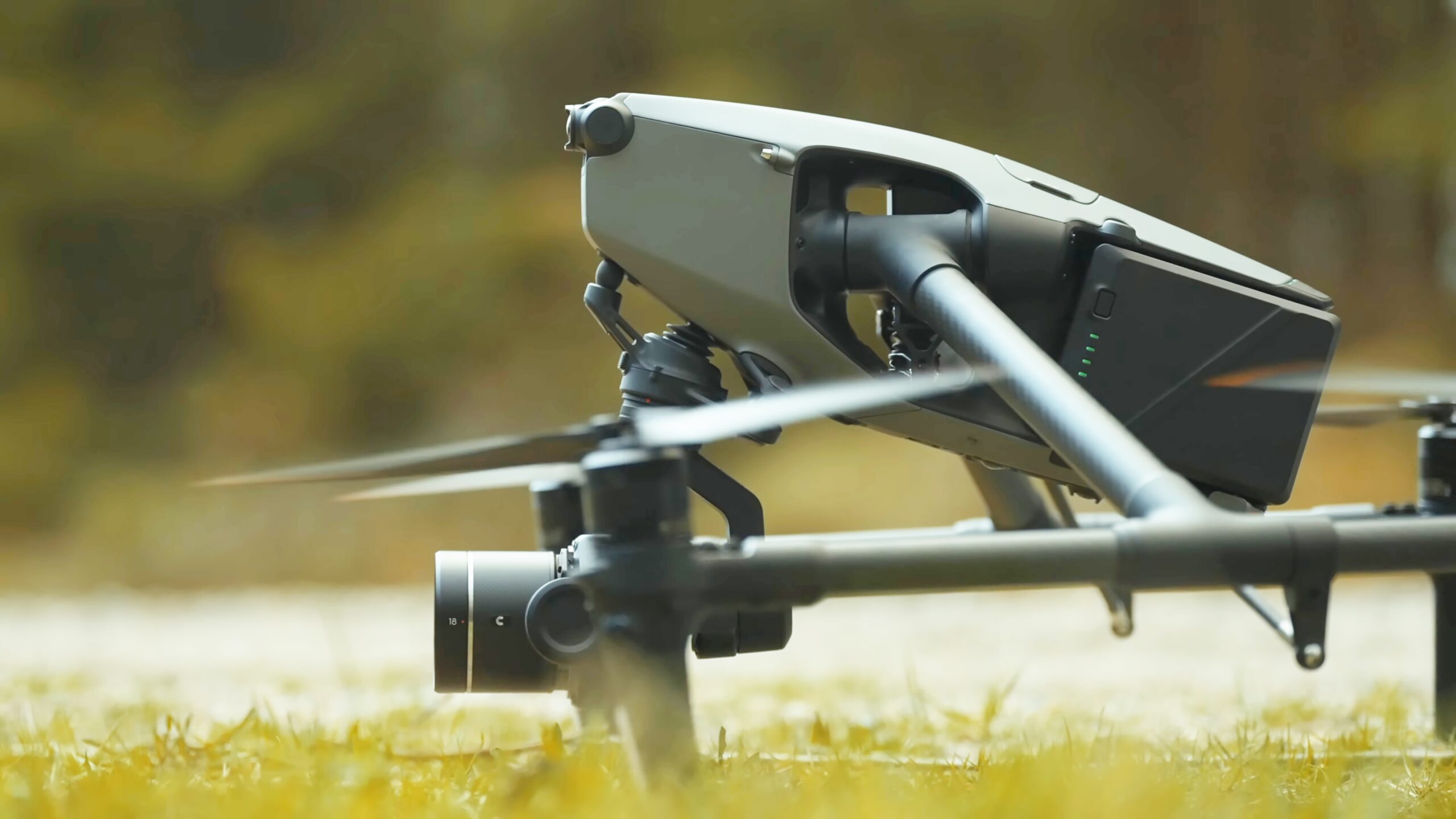
European leaders are pushing forward with a plan to build a “drone wall” along the EU’s eastern flank, aiming to protect member states from Russian aerial threats. The idea, first floated by the Baltic states, gained momentum after Commission President Ursula von der Leyen described it as “the bedrock of credible defence” in her September State of the Union address.
The proposed system, led by companies in Estonia and Latvia, revolves around Eirshield—a multilayered defence platform that uses radars, cameras, radio frequency detectors, and AI-driven automation to detect and neutralise hostile drones. The technology can jam or block signals, deploy drones to intercept targets, or even use third-party gun systems, as already seen in Ukraine. Developers argue it is more cost-effective than traditional air defences, costing tens of thousands per interception compared with millions for conventional systems.
While the system has proven itself in wartime conditions, experts say adapting it for NATO standards in peacetime will require refinements—such as non-explosive interception methods like nets or small drones. Governments will ultimately decide on the mix of tactics deployed.
Funding, however, remains a challenge. The European Commission rejected a €12 million joint proposal from Estonia and Lithuania in August, though all three Baltic states have allocated national budgets to support development. Estonia committed €12 million, Latvia awarded €10 million in contracts, and Lithuania has earmarked €3 million for counter-drone measures from previous EU funds.
For now, the “drone wall” is a patchwork in progress—partly deployed, awaiting demonstrations, and still dependent on EU-wide commitment to integrate the technology into broader NATO defences.