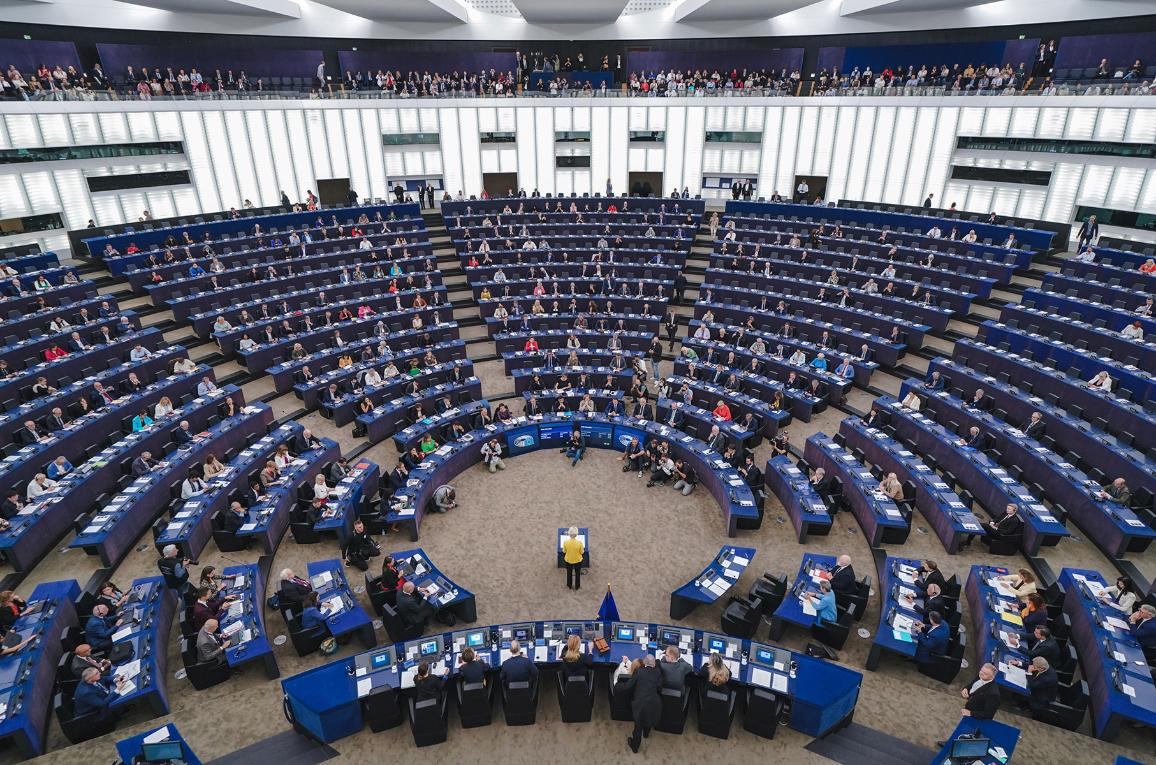
A group of younger Members of the European Parliament is pushing for reforms to make EU parliamentary debates more engaging. The initiative aims to make discussions more dynamic and accessible, encouraging public interest in the legislative process.
The MEPs argue that current debates can be formal and slow, making it difficult for citizens to follow or engage with EU policymaking. By introducing new formats and interactive elements, the reforms hope to create a more lively environment where ideas are clearly communicated and discussed.
The proposed changes include shorter speeches, more interactive sessions, and the use of digital tools to allow real-time public input. Lawmakers believe these adjustments could make debates more transparent and relatable, fostering trust in EU institutions.
Younger MEPs emphasize that modernizing debates is essential to connect with citizens, especially younger generations who consume news and information through digital platforms. They believe that a more engaging approach could lead to higher participation in elections and public consultations.
The initiative also seeks to improve collaboration among MEPs by encouraging debate formats that are less confrontational and more solution-focused. By prioritizing clarity and accessibility, the European Parliament hopes to demonstrate the relevance of its work and show how legislation affects everyday life across member states.
Experts suggest that increasing public engagement in EU debates could strengthen democracy within the union. When citizens understand the legislative process and see their voices reflected in discussions, it may lead to more informed opinions and stronger civic participation.
The proposed reforms are still under discussion, but the movement has already sparked interest among other MEPs and political groups. Supporters argue that dynamic debates will help bridge the gap between EU institutions and the public, making policymaking more transparent and inclusive.
If implemented, these changes could mark a significant shift in how the European Parliament operates. By making debates more engaging, the EU aims to show that it values citizen input and is committed to fostering a more connected and informed community.
The initiative highlights the broader trend of governments and legislative bodies seeking ways to modernize communication with the public. In an era where digital platforms dominate, adapting traditional debate formats may be key to ensuring that citizens remain informed and involved.
Overall, the reforms proposed by younger MEPs could make EU parliamentary debates more engaging and impactful, ultimately encouraging greater participation and interest in the legislative process across Europe.