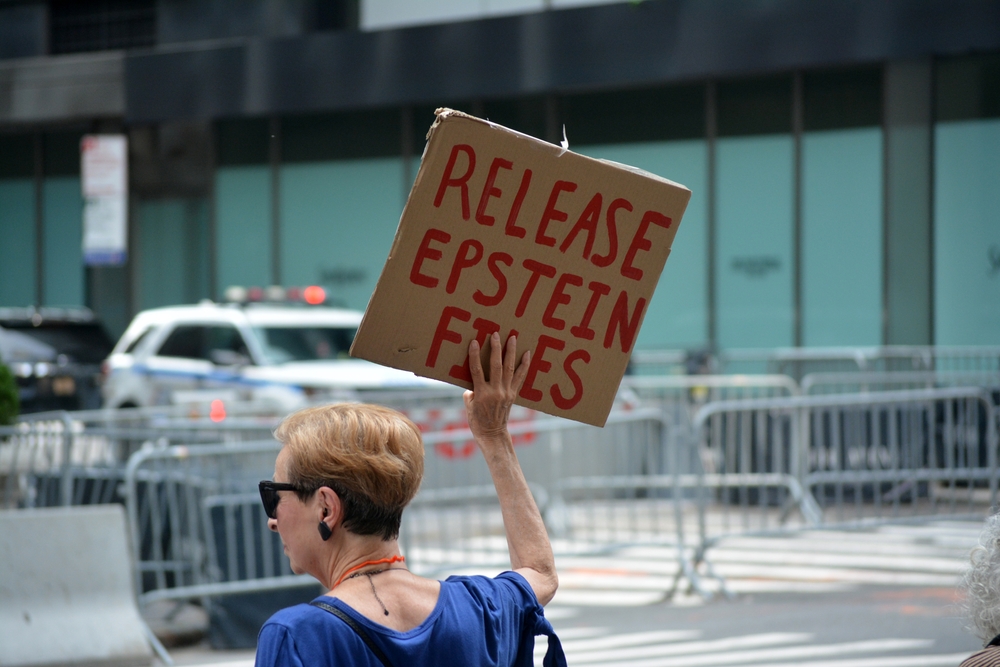
A Long-Awaited Release Falls Short
The US Justice Department has released thousands of documents and photographs linked to disgraced financier Jeffrey Epstein, but the disclosure has angered lawmakers who say it reveals far less than promised. Many of the images show former president Bill Clinton, prompting renewed political debate, while large portions of the material remain redacted. The department said it would continue releasing files in the coming weeks, but critics argue the initial batch fails to meet legal and public expectations after years of pressure for transparency surrounding Epstein’s crimes and his ties to powerful figures.
The release includes photographs, call logs, court records and other investigative material, much of it partially censored. Politicians and members of the public had campaigned intensely for access to the files, believing they could shed new light on Epstein’s network before his death in custody. Instead, Democrats accused the Trump administration of withholding key information, a charge the Justice Department denied while acknowledging that the release remained incomplete.
Trump, Congress and the Push for Disclosure
President Donald Trump, who had a social relationship with Epstein before falling out with him, resisted releasing the files for months. Although Trump has not faced accusations related to Epstein’s crimes, he repeatedly argued the documents contained nothing of public value. On 19 November, facing pressure from Republican lawmakers, Trump signed legislation requiring the Justice Department to release most Epstein-related files within 30 days. The White House described Friday’s disclosure as evidence that the administration is the “most transparent in history.”
The law set Friday as the deadline, but the number of files posted online appeared far smaller than anticipated. Deputy Attorney General Todd Blanche had told Fox News to expect several hundred thousand documents, with more to follow. Blanche later admitted in a letter to Congress that the release was incomplete, while the department said it aimed to finish publishing the files by the end of the year.
What the Documents Actually Contain
The initial release includes roughly 4,000 files, most of them photographs grouped under a section labeled “DOJ Disclosures.” The FBI took many of the images during searches of Epstein’s properties in New York City and the US Virgin Islands. Other photos show envelopes, folders and boxes containing investigative materials from various Epstein-related probes. Officials redacted documents containing identifying details about victims or material depicting sexual abuse, which the department said it could not legally publish.
Additional records include court filings, public documents and disclosures previously shared with congressional committees. Some of this material has circulated publicly for years due to litigation and investigative reporting, raising further questions about how much new information the release actually provides.
High-Profile Names and Political Reaction
Several photographs feature Bill Clinton, who has acknowledged flying on Epstein’s private jet but has said through a spokesman that he knew nothing about Epstein’s criminal activities. Images show Clinton aboard a private plane with a woman whose face is obscured, in a swimming pool with Ghislaine Maxwell and another unidentified person, and alongside figures such as Michael Jackson and Diana Ross. Another photograph shows Clinton in a hot tub with a woman whose face is obscured. The Justice Department did not explain how these images relate to its investigation.
White House aides quickly highlighted the photos on social media. Press secretary Karoline Leavitt responded to one image with “Oh my!” and a shocked emoji. Clinton’s deputy chief of staff, Angel Ureña, pushed back, writing online that “this is not about Bill Clinton” and accusing the administration of protecting others. “There are two types of people here,” he wrote. “The first group knew nothing and severed relations with Epstein before his crimes came to light. The second group continued relations with him afterwards. We are part of the first one.” Clinton has never been accused of wrongdoing, and officials stressed that appearing in the files does not imply guilt.
Few Answers About Trump, More Demands for Transparency
The documents contain little new information about Trump, who appears only minimally and in photographs that have circulated publicly for decades. Trump did not mention the release during a rally in North Carolina on Friday night. The files also include at least one image of Prince Andrew, whom accuser Virginia Giuffre alleged Epstein arranged sexual encounters for, an accusation the prince has denied.
Survivors expressed frustration with the redactions and the pace of disclosure. Marina Lacerda, who says Epstein sexually assaulted her starting at age 14, called for full transparency. “Just release the files,” she said. “And stop blacking out names that don’t need to be blacked out.”
Lawmakers from both parties criticised the partial release. Representative Thomas Massie said it “grossly fails to comply with both the spirit and the letter of the law,” while Representative Ro Khanna called the disclosure “disappointing” and vowed to keep pushing for full access. Senator Jeff Merkley argued that missing the deadline denied justice to Epstein’s victims and said he was exploring legal options to force compliance.
Democrats could seek court action to compel further disclosure, though that process would likely stretch on as the department continues releasing files. Separately, the House Oversight Committee has issued a subpoena for Epstein’s records, offering Congress another route to demand transparency, but any enforcement effort would require Republican support against a Republican administration.