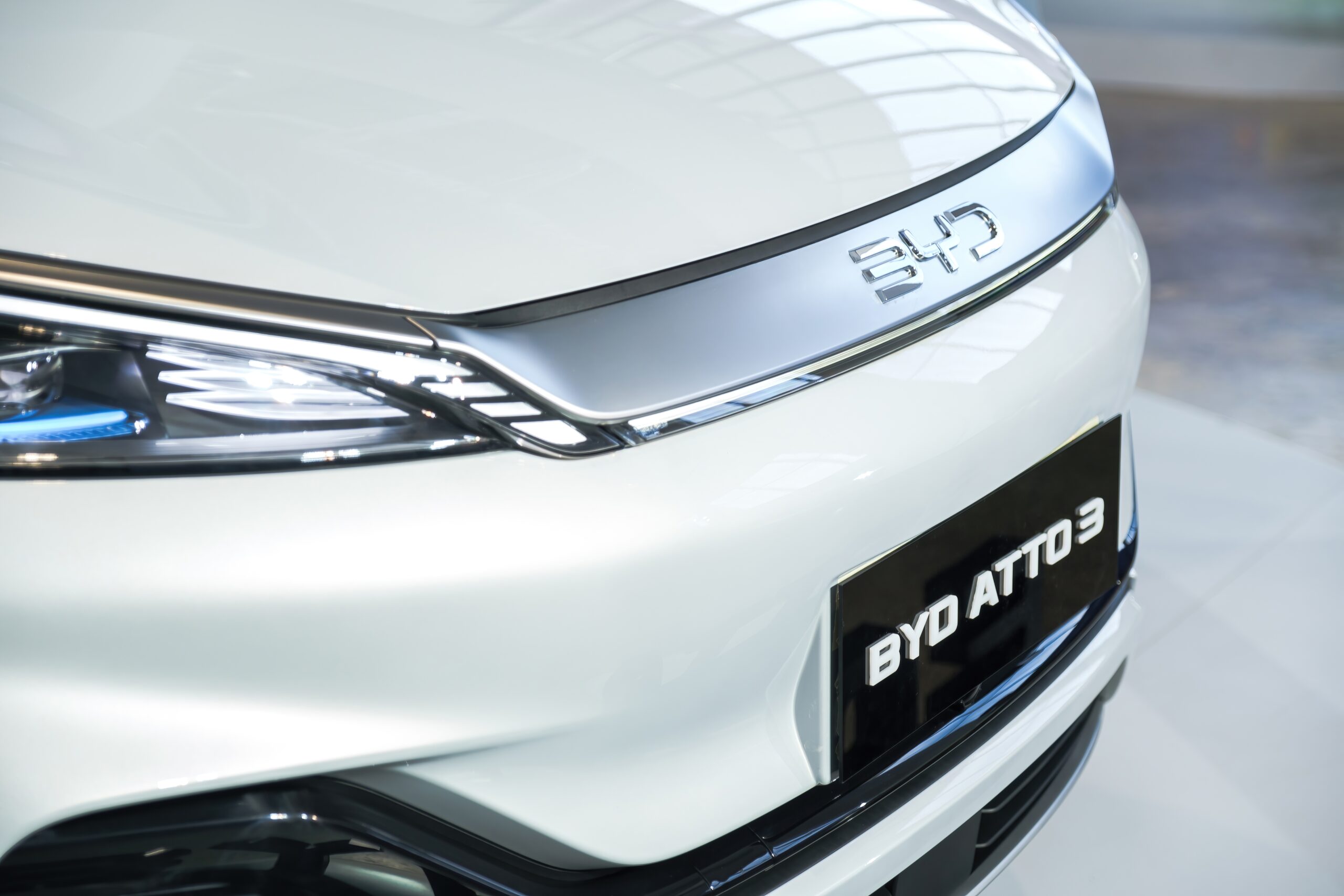
Shares of Chinese electric vehicle maker BYD fell by up to 8% on Monday. The decline followed weaker profit results, hit by fierce discounting in a competitive auto industry.
Net profit falls sharply
On Friday, BYD announced net profit of 6.4bn yuan ($900m; £660m) for April to June. That was 30% lower than the same quarter last year. The company admitted that intensified price competition had put pressure on the whole EV market.
Rivals slash prices to lure buyers
The Shenzhen-based automaker competes against Nio, XPeng, and Tesla, all of which have cut prices aggressively. BYD shares opened weaker in Hong Kong on Monday but recovered some ground later in the session.
The company described competition as reaching “fever pitch”. It also criticised excessive marketing, which it said further disrupted the sector. Carmakers have leaned on subsidies and zero-interest loans, narrowing margins across the industry.
Beijing warns against aggressive discounts
Chinese regulators urged automakers to stop deep price cuts, warning of risks to the economy. Industry data shows average car prices in China have fallen around 19% over two years. They now stand near 165,000 yuan ($23,100; £17,100).
Despite strong international sales, BYD’s earnings disappointed analysts who had expected a modest increase. Instead, the company reported a sharp drop.
Sales goals at risk
The company targeted 5.5 million global sales this year. By the end of July, however, it had sold only 2.49 million vehicles. Prof Laura Wu of Nanyang Technological University in Singapore called the results “surprising”. She said even market leaders remain exposed in a cut-throat battle.
Wu noted that the share price decline revealed investor disappointment. She added that earlier government policies encouraged too many new players, making today’s competition harder to control. She warned that while lower prices benefit consumers now, they could lead to oversupply later.
Experts remain upbeat
Investment manager Judith MacKenzie of Downing Fund Managers said the downturn should not be overstated. She argued that BYD’s meteoric rise made a slowdown inevitable.
The company has already overtaken Tesla as the world’s biggest EV maker, surpassing it in revenue in 2024. Its growth has been powered by strong demand for hybrids in China, Asia, and Europe.