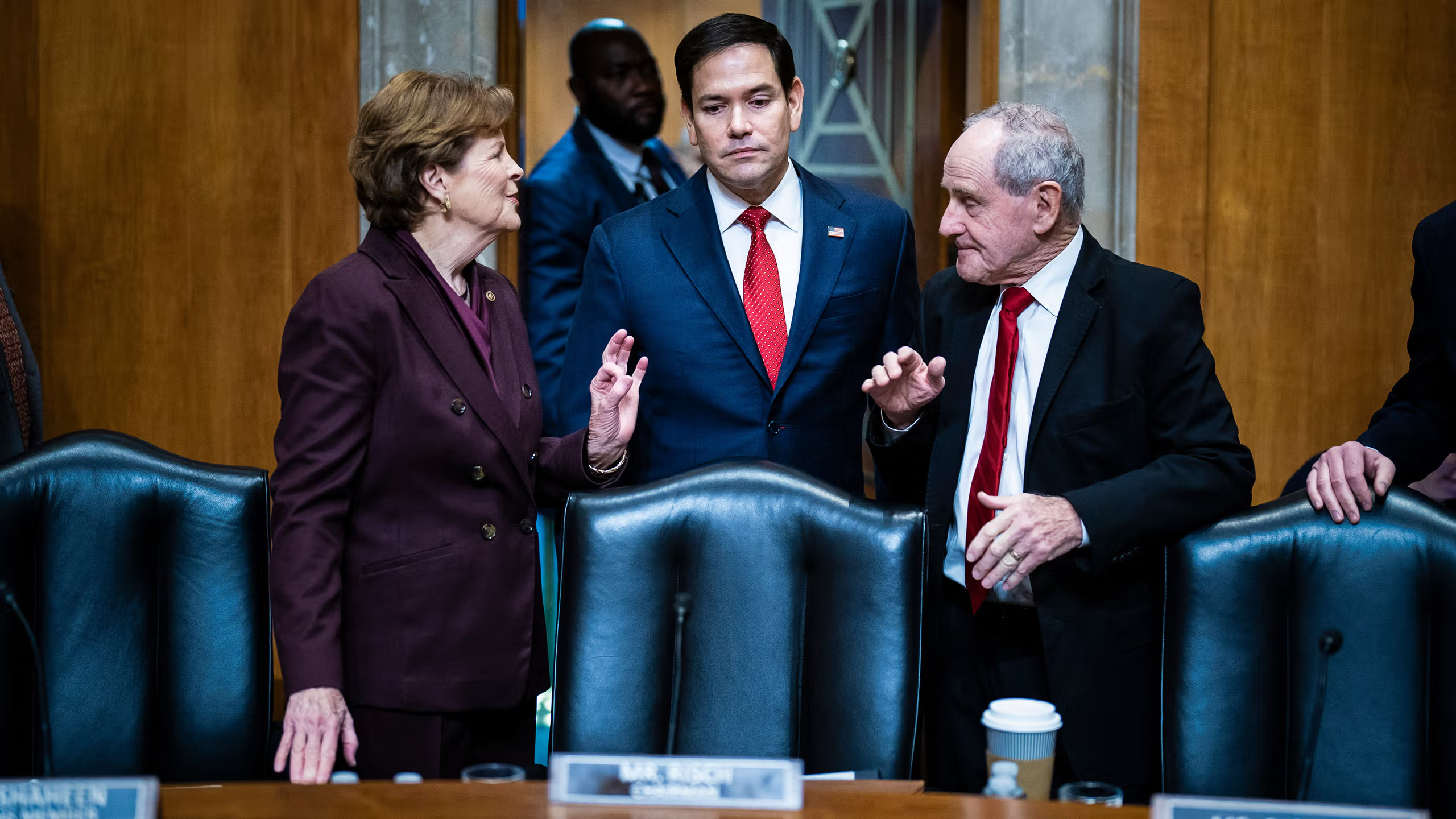
The U.S. Senate has confirmed a major diplomatic appointment aimed at strengthening relations with strategic allies across Europe and Asia. The ambassadorial nominee received broad bipartisan support, signaling strong confidence in their ability to advance U.S. foreign policy objectives. Lawmakers say this move reflects a shared interest in maintaining global stability and cooperation.
The confirmation comes at a critical time for international relations. Rising tensions in multiple regions have highlighted the need for reliable diplomatic channels. Experts say a well-supported ambassador can improve communication, coordinate strategies, and help resolve conflicts before they escalate. Both parties see the appointment as essential for U.S. global engagement.
The nominee has a long history in international affairs. Previous roles include working with multinational organizations, negotiating trade agreements, and facilitating peace talks. Supporters say this experience equips the ambassador to navigate complex foreign policy challenges while representing U.S. interests effectively.
European allies have welcomed the appointment. Many nations are facing economic, security, and energy challenges, and officials say enhanced communication with the United States is vital. The ambassador is expected to participate in high-level talks and foster cooperation on shared priorities, from defense to trade and climate initiatives.
In Asia, the appointment is also seen as a strategic boost. Regional tensions, trade negotiations, and security concerns require constant engagement. Analysts say a confirmed ambassador can help coordinate policies, support allies, and strengthen partnerships in both economic and security arenas.
Bipartisan support in the Senate was notable. Lawmakers from both parties emphasized the nominee’s expertise, professionalism, and nonpartisan approach. Many said strong diplomatic representation is critical for the nation’s global credibility. The vote reflected a shared understanding that foreign relations often transcend domestic politics.
The ambassador’s agenda will focus on three main areas: economic cooperation, security partnerships, and cultural diplomacy. Strengthening trade ties and investment opportunities is a priority, particularly as global markets continue to evolve. Improved economic engagement can benefit both U.S. businesses and partner nations.
Security cooperation is another key area. The ambassador is expected to coordinate with allied governments on military planning, intelligence sharing, and regional stability initiatives. Officials say collaboration can prevent conflicts and enhance collective defense capabilities, ensuring safer environments for civilians and troops alike.
Cultural and educational diplomacy will also play a role. Exchanges, programs, and joint initiatives can strengthen people-to-people ties. Lawmakers note that strong relationships at multiple levels—governmental, business, and civic—create resilience in international partnerships and mutual trust.
Observers say the appointment demonstrates the importance of continuity in foreign policy. Ambassadors with experience and bipartisan backing can maintain ongoing negotiations and prevent sudden policy shifts that may destabilize international relationships. Continuity also reassures allies and international organizations that the U.S. is committed to long-term cooperation.
Transparency and accountability will guide the ambassador’s work. Officials say the public and Congress will be kept informed of progress on key initiatives. Regular briefings and reporting aim to maintain trust and ensure that U.S. interests are effectively represented abroad.
The confirmation also sends a message about U.S. priorities. Lawmakers stressed that strategic alliances in Europe and Asia remain central to national security, economic prosperity, and global stability. A strong diplomatic presence ensures the United States can respond quickly to challenges and opportunities.
Experts predict that the new ambassador will have an immediate impact on negotiations already in progress. Trade discussions, security pacts, and joint initiatives are expected to gain momentum. By fostering cooperation, the ambassador can help create solutions that benefit multiple nations simultaneously.
In summary, the Senate’s confirmation of this key diplomatic appointment highlights a rare moment of bipartisan agreement. With broad support, the ambassador is poised to strengthen U.S. ties with important allies, advance global cooperation, and maintain America’s role as a trusted partner on the world stage.