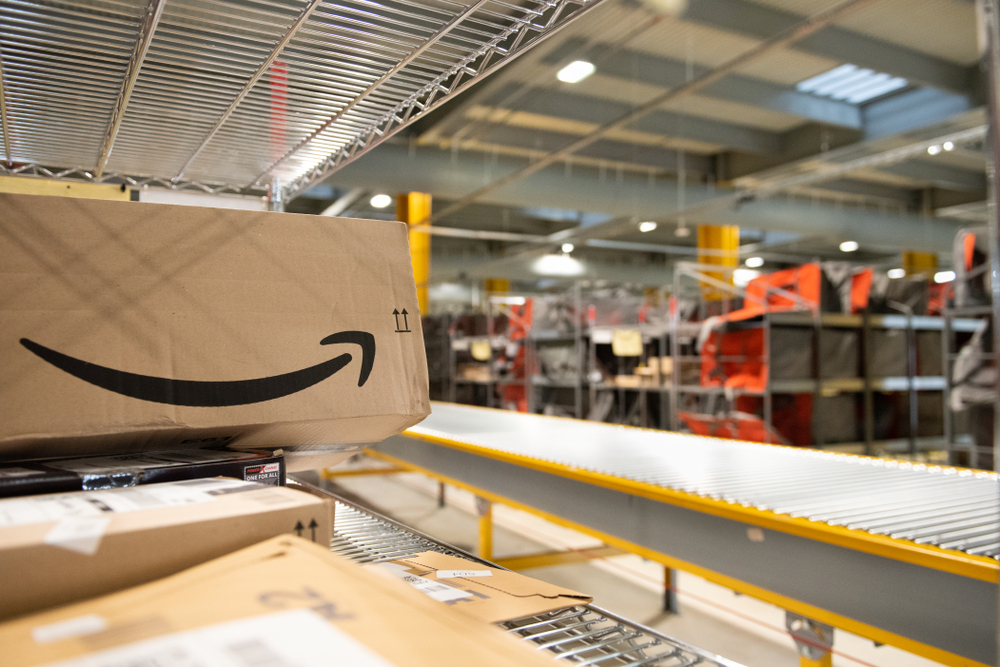
Amazon has blocked more than 1,800 job applications linked to suspected North Korean operatives. Amazon chief security officer Stephen Schmidt revealed the action publicly. He shared the details in a LinkedIn post. The applicants aimed for remote IT roles across the company. They relied on stolen or fabricated identities to clear hiring checks.
Remote Work Schemes Used to Funnel Money Abroad
Schmidt said the applicants followed a clear and deliberate approach. They sought employment and collected regular salaries. They then redirected the wages to North Korea. The funds supported weapons development and state programs. Schmidt warned the activity likely spreads across the technology industry. He said US companies face the greatest exposure.
US and South Korean authorities have issued repeated alerts. They have tracked online scams linked to North Korean operatives. Officials said these schemes increasingly target Western employers.
Amazon Reports Strong Rise in Suspicious Applications
Amazon recorded a nearly one-third increase in suspicious applications over the past year. Schmidt said many operatives relied on partners inside the United States. These partners operated so-called laptop farms. The farms used computers physically located in the US. Operators controlled the machines remotely from outside the country.
Amazon used artificial intelligence tools alongside staff-led verification. Employees screened applications and reviewed identity indicators. The company relied on these combined measures to detect coordinated fraud.
Online Impersonation Methods Become More Refined
Schmidt said the fraud techniques continue to evolve. Bad actors hijack dormant LinkedIn accounts using leaked credentials. They impersonate real software engineers to appear trustworthy. Schmidt urged companies to report suspicious applications to authorities.
He warned employers to watch for clear red flags. These include incorrectly formatted phone numbers and inconsistent education histories. Such discrepancies often expose fraudulent identities.
US Authorities Target Widespread Laptop Farm Operations
In June, the US government uncovered 29 illegal laptop farms nationwide. North Korean IT workers operated the farms remotely. They relied on stolen or forged American identities. The Department of Justice said the scheme helped secure jobs at US companies.
Prosecutors also charged US brokers who assisted the operation. In July, a woman from Arizona received a prison sentence exceeding eight years. She ran an extensive laptop farm network. The operation placed workers at more than 300 US companies. Authorities said the scheme generated more than $17m in illegal gains for her and Pyongyang.