New recommendations combine familiar nutrition with updated priorities
US officials released updated dietary guidelines on Wednesday, blending established advice with new emphasis. The guidance reflects Health Secretary Robert F. Kennedy Jr.’s Make America Healthy Again agenda. It urges Americans to increase protein intake, choose healthy fats, and limit ultraprocessed foods and added sugar.
Kennedy spoke at the White House, telling Americans to eat real food. He described the guidance as practical and easy to follow.
The 2020 guidelines ran nearly 150 pages, providing detailed advice for all age groups. The new edition condenses guidance to a few pages but is backed by extensive research.
Flipped pyramid changes the diet visual
The update introduces a new food graphic. An inverted pyramid places meats, cheese, and vegetables at the top. The model reverses decades of traditional nutrition imagery and replaces the MyPlate circle.
Officials say following the guidance can prevent chronic disease or slow its progression. Chronic illness is central to the MAHA movement. The guidelines emphasize higher protein, lower sugar, and fewer processed foods.
For meal fats, officials recommend oils with essential fatty acids, highlighting olive oil. Butter and beef tallow also appear as acceptable options.
Health organizations respond with support and caution
Some experts expressed concern about the emphasis on red meat and full-fat dairy. Others welcomed the stronger focus on processed foods.
The American Medical Association praised the spotlight on ultraprocessed foods and sugary drinks. The group linked these items to heart disease, diabetes, and obesity. AMA President Dr. Bobby Mukkamala said the guidance treats food as medicine and provides clear direction for doctors and patients.
The American Heart Association praised the focus on fruits, vegetables, and whole grains. It supported limits on refined grains and added sugars but raised questions about protein recommendations.
The association warned about excess sodium and saturated fat. It urged caution with red meat and salt seasoning and encouraged low-fat or fat-free dairy for heart health. It also called for more research on protein intake.
Federal nutrition programs face major impact
The guidance affects school meals, WIC, and SNAP programs nationwide. Local health departments will review the updates closely.
Lori Tremmel Freeman, CEO of the National Association of County and City Health Officials, said the guidelines help people focus on healthy habits. She cited a persistent obesity epidemic and noted that diet and exercise guidance helps prevent chronic disease.
Core recommendations in the new guidance
Higher protein intake
The 2025–30 guidelines recommend more protein than before, based on body weight: 1.2 to 1.6 grams per kilogram daily. A 150-pound adult would need 81.6 to 109 grams.
The guidance encourages full-fat dairy without added sugars, recommending three servings daily for a 2,000-calorie diet.
Whole grains, produce, and fewer refined carbs
The guidelines urge two to four servings of fiber-rich whole grains daily and sharply reduce refined carbs such as white bread, flour tortillas, and crackers.
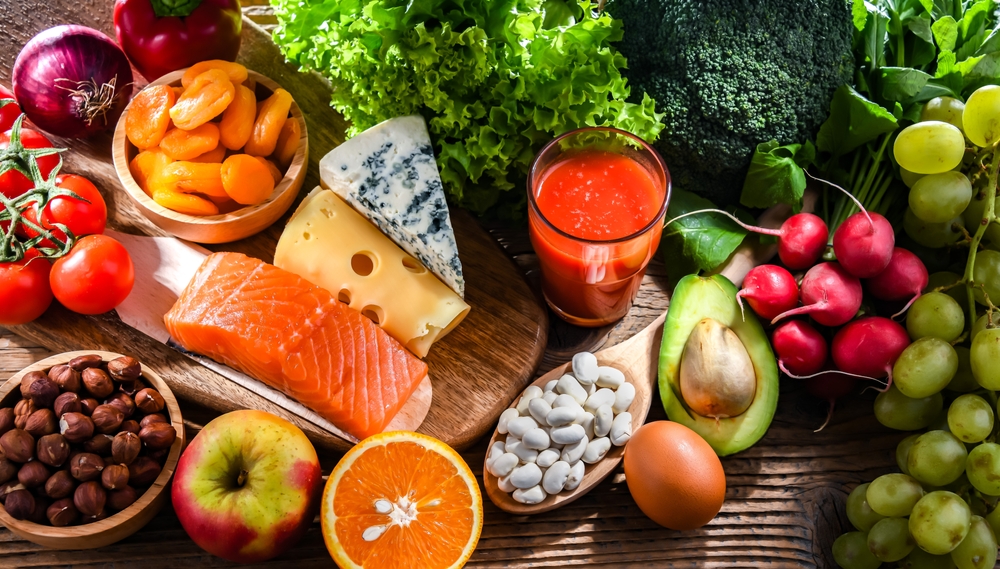
It recommends three servings of vegetables and two of fruit per day. Whole foods in their natural form are preferred, but frozen, dried, or canned options with minimal added sugar are acceptable.
Ultraprocessed foods are strongly discouraged, including chips, cookies, and candy. The guidance promotes nutrient-dense home-prepared meals and careful choices when eating out.
Guidance for infants and children
Infants should receive breast milk for six months, with iron-fortified formula as an alternative. Breastfeeding may continue up to two years or longer. Formula should stop after 12 months.
Added sugars should be avoided through age ten.
Alcohol advice emphasizes moderation
The guidance urges reduced alcohol consumption for better health and removes prior gender-specific drink limits.
Dr. Mehmet Oz, administrator of Medicare and Medicaid, said alcohol can support social interaction but emphasized moderation and avoiding daily consumption.
School meal programs face practical hurdles
Schools must meet federal nutrition standards, and the new guidance will affect lunches. The School Nutrition Association warned strict ultraprocessed food limits could strain staffing and infrastructure.
A report showed 93% of programs lack sufficient staff, training, or equipment. Seventy-nine percent reported extreme funding needs. The association urged Congress to increase resources.
Stephanie Dillard, the association’s president, said school meals feed 30 million children daily and urged investment in scratch cooking and fresh foods. USDA must translate guidance into meal standards and allow time for implementation.
Cost and accessibility remain key concerns
Kennedy said healthy food can become affordable with education tools guiding families to low-cost options. He noted processed food only appears cheap but carries long-term health costs through diabetes, obesity, and chronic illness.
Experts highlight nuance on food processing
Dr. David Seres of Columbia University emphasized that processing exists on a spectrum. He recommended eating foods close to their natural state, from plants, animals, or the sea.
Dairy fat debate returns
Earlier guidelines favored low-fat dairy after age two and capped saturated fat at 10% of calories. The new guidance keeps that cap and calls for more research on fat types.
Studies suggest higher dairy intake may reduce cardiovascular risk. Dietitian Bethany Doerfler said some dairy fats are less inflammatory than other animal fats but add calories. Full-fat dairy is not superior to low-fat options but is less harmful than previously thought.
Doerfler said plant-rich diets protect against obesity, heart disease, and cancer and stressed that access to healthy food remains essential.
Scientific and environmental concerns persist
Dr. Walter Willett of Harvard warned that promoting high red meat and dairy intake could harm health and the planet. He criticized earlier reports for downplaying sugary drinks but noted the new guidelines discourage sodas, fruit drinks, and energy drinks.
How dietary guidance evolves
HHS and USDA update dietary guidelines every five years using the latest research. Clinicians, schools, and SNAP programs rely on them.
Kennedy and Agriculture Secretary Brooke Rollins urged states to restrict unhealthy foods, though implementation readiness and evidence of effectiveness remain debated.
Advisory committees usually review research for years before submitting recommendations. Kennedy criticized this process, promising shorter guidance focused on whole foods.
He also encouraged Head Start programs to switch to full-fat dairy. A federal report promised advisory reforms, but Willett warned that politicization could undermine trust, citing vaccine policy controversies as a cautionary example.