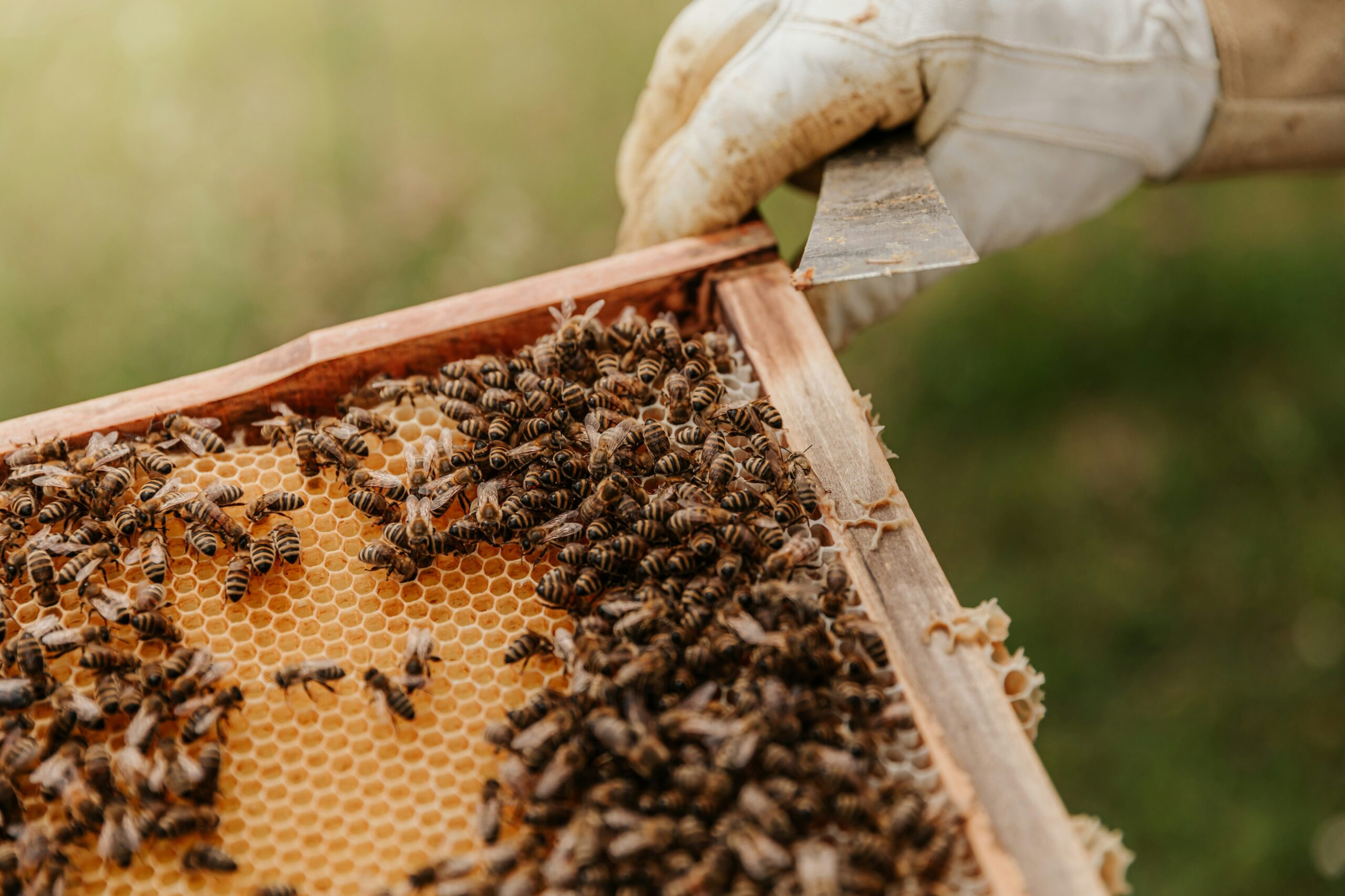
Wild bees carefully choose different flowers to balance their intake of protein, fat, and carbohydrates, according to a long-term ecological study in the Colorado Rockies. Over eight years, researchers from Northwestern University and the Chicago Botanic Garden observed eight species of bumblebees, mapping their pollen sources and analyzing the macronutrients each provided.
The study revealed striking variation: some flowers contained as little as 17% protein, while others reached 86%. Seasonal shifts also played a role, with spring flowers offering protein-rich pollen and late-summer blossoms supplying more fats and carbohydrates. Bees adapted their diets accordingly, reflecting the changing needs of their colonies.
Larger-bodied, long-tongued bees favored protein-heavy pollen, while smaller, short-tongued species leaned toward carb- and fat-rich sources. “All pollen contains protein, fats and carbs but each has a different mixture,” said lead author Justin Bain. “Some are very high in protein like a steak. Others are more like a salad.”
Conservation Needs Nutritional Diversity
Senior author Paul CaraDonna emphasized that bees’ nutrient needs are not “one-size-fits-all,” highlighting the importance of diverse ecosystems. He suggested the findings could inform garden design by selecting flowers that best support wild pollinators.
With pollinators worldwide under threat from habitat loss, climate change, and poor nutrition, the study underscores the need for conservation efforts that maintain a wide range of plant species. Michael Walsh, founder of The Urban Apiarist, called the research “fascinating,” noting that it shows bees forage strategically rather than randomly, displaying a form of collective intelligence.
Protecting both bees and their ecosystems, researchers warn, is vital for global food security.