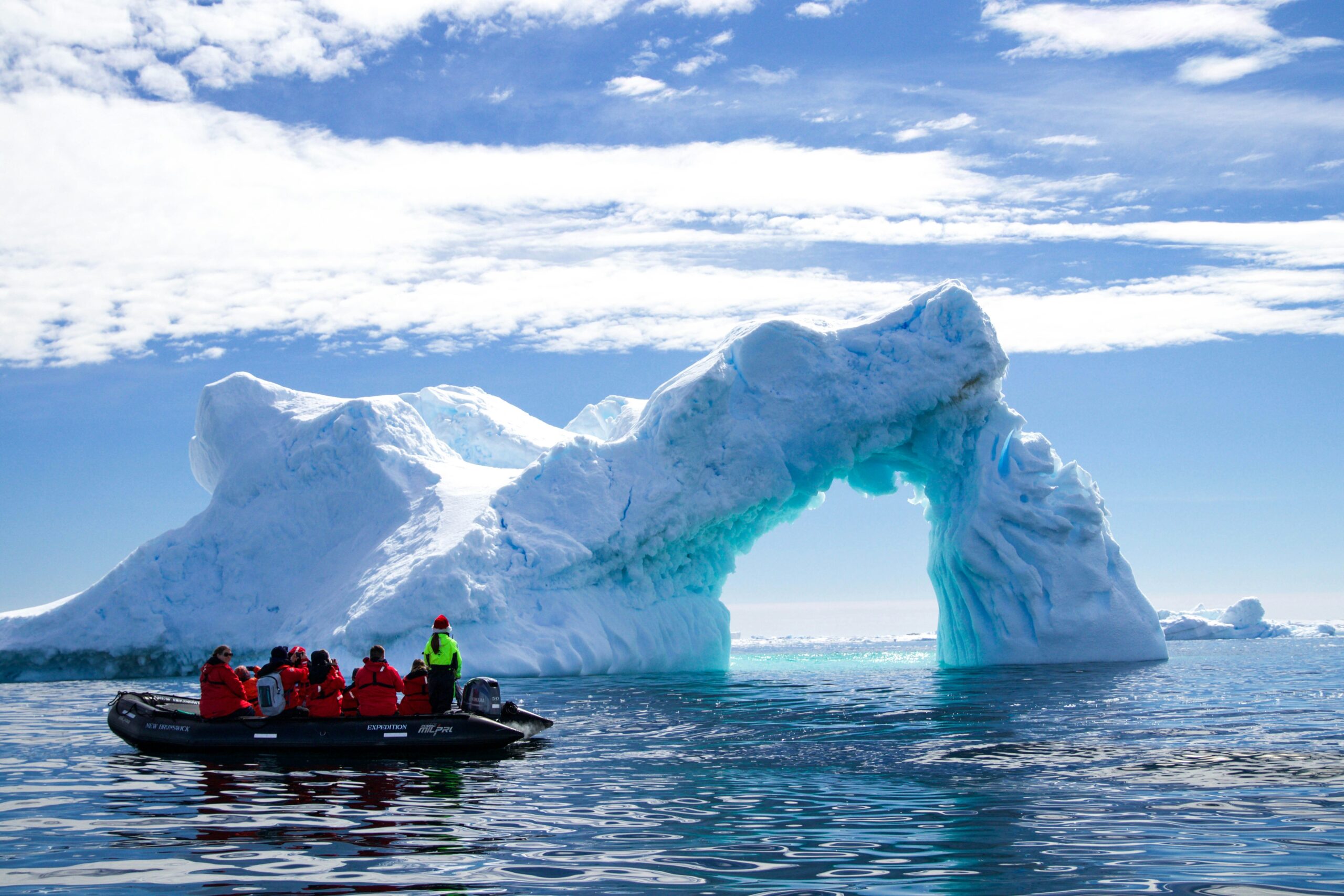
Antarctica, long considered Earth’s last untouched wilderness, is under mounting pressure from human activity. Annual tourist numbers have skyrocketed from fewer than 8,000 in the 1990s to more than 124,000 in the 2023–24 season, according to the International Association of Antarctica Tour Operators. Projections suggest this could rise to 450,000 by 2034. Researchers warn that the increase is leaving a harmful footprint: toxic metals in human-occupied areas are now up to 10 times higher than 40 years ago, and soot from ships and aircraft accelerates snowmelt by reducing the reflectivity of ice. Scientists estimate that a single tourist can indirectly contribute to the melting of around 100 tons of snow.
Environmental Costs Beyond Carbon
The effects extend far beyond carbon emissions. Visitors disturb fragile wildlife, damage plant life, and raise the risk of introducing invasive species. Research missions, while vital for science, can be even more damaging, with a single expedition causing up to ten times the impact of a tourist trip. Some safeguards exist: heavy fuel oil is banned under the Antarctic Treaty, IAATO enforces biosecurity and wildlife rules, and tour companies are investing in hybrid ships. Yet experts say these steps fall short. Without a faster move to renewable energy and stricter limits on fossil fuel use, Antarctica’s ecosystems face mounting damage beneath the ice’s seemingly pristine surface.