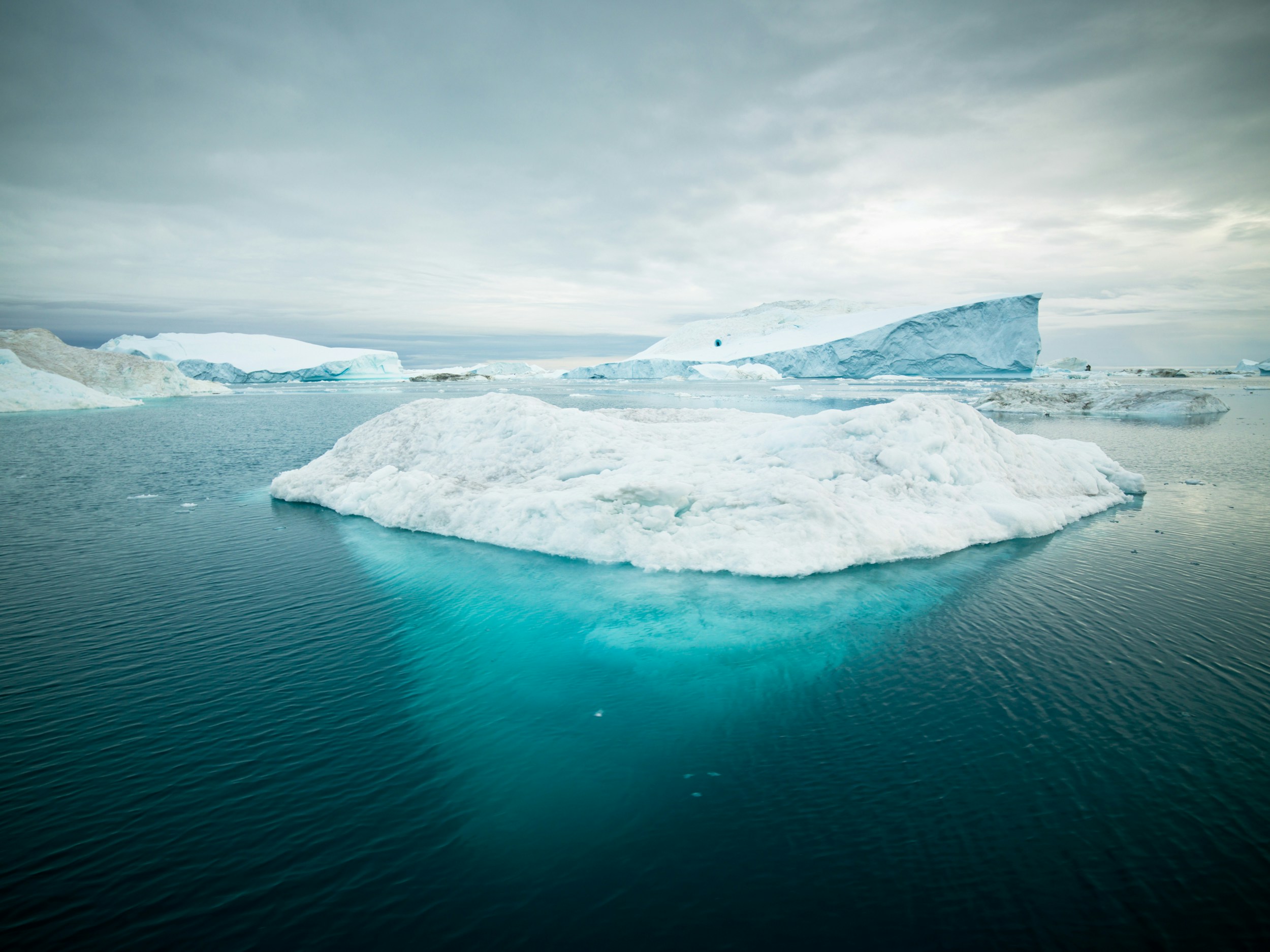
Scientists report that Arctic sea ice has shown little overall decline since 2005, a surprising slowdown amid rising global emissions.
They expected continuous loss, yet shifting ocean currents appear to have briefly offset the impact of human-driven global heating.
The researchers caution this pause is only temporary, predicting melting will restart within the next decade at a faster rate.
A Pause, Not a Recovery
Satellite records reveal September sea ice has already halved since 1979, proving long-term Arctic decline remains severe and ongoing.
Experts emphasize the slowdown does not signal recovery. Future summers without ice remain highly likely later this century, with major consequences.
Melting ice would expose darker waters, trapping more heat, harming ecosystems, disrupting communities, and reinforcing global temperature rises.
Lead author Mark England explained the slowdown has bought some time but warned it is not good news once it ends.
Scientific Analysis
The study compared decades of satellite data with thousands of computer models. All confirmed such pauses occur but never last.
Models consistently show accelerated melting follows each slowdown, underlining the persistent long-term trend of shrinking Arctic ice.
Data also reveal thinning continues. Since 2010, average October ice thickness has dropped by about 0.6 centimeters every year.
Scientists compare this to past temperature “pauses,” where global warming slowed for a decade but underlying heat kept rising.
Action Remains Urgent
Researchers stress the climate crisis is real, human-driven, and dangerous. The pause alters nothing about the pressing need for action.
They warn that without clear communication, the slowdown could be misused by those aiming to undermine climate science.