Bilateral Talks, Not a NATO Decision
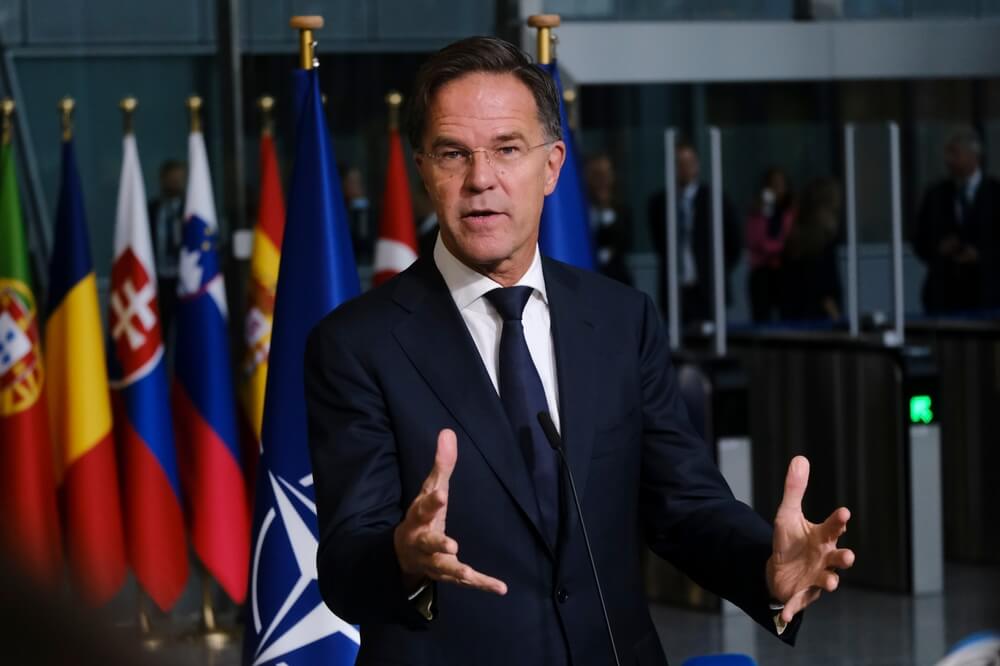
Any security arrangement for Greenland negotiated by NATO Secretary General Mark Rutte will need to be formally presented to all NATO allies, Spain’s foreign minister has said. Speaking to Euronews at the World Economic Forum in Davos, José Manuel Albares stressed that discussions between Rutte and US President Donald Trump do not amount to an alliance-wide agreement.
“This is not NATO,” Albares told Euronews. “It is the Secretary General of NATO talking to one of the allies.” He added that neither he nor other allied foreign ministers have been given details beyond a public announcement and expects the issue to be brought before NATO’s council for proper debate.
Greenland’s Future Lies With Its People
President Trump announced this week that Washington and the NATO chief had reached an understanding on Greenland’s security, potentially opening the door to a larger US military presence in the Arctic. The announcement followed weeks of tension, during which Trump argued that controlling Greenland was essential for US national security amid growing competition with China and Russia.
Albares rejected that framing, insisting that only Greenlanders and Denmark have the right to decide the territory’s future. “The people have said it very clearly — they want to remain part of Denmark,” he told Euronews. Danish authorities have repeatedly underlined that Greenland is not for sale and that its sovereignty is not included in any agreement, a position supported by public opinion polls in Greenland.
Call for Stronger European Defence
The Spanish foreign minister also criticised Washington’s tactics, after Trump previously threatened tariffs on several European countries, including Denmark, France and Germany. Albares said such pressure was unacceptable and made clear the EU would not negotiate under coercion, noting that the bloc has its own tools to respond.
Looking beyond the immediate dispute, Albares used his interview with Euronews to argue for a stronger European security posture. He said Europe must protect its values, especially peace, by developing credible deterrence — including closer defence cooperation, integration of defence industries and, ultimately, moving toward a European army.
“If we want to remain a continent of peace where no one can threaten us with force or economic pressure, we need deterrence in our own hands,” Albares said.