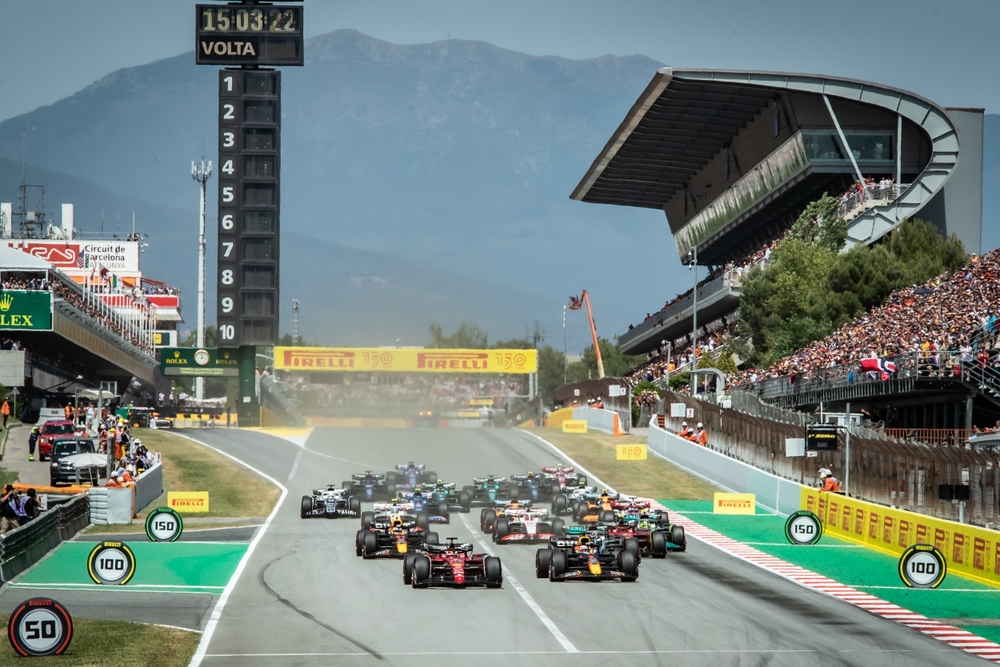
McLaren blunder hands Verstappen victory
Formula 1 heads into a rare three-driver championship showdown after Max Verstappen wins a dramatic Qatar Grand Prix, caused by a major McLaren strategy error. Lando Norris calls it “not our greatest day,” understating the impact of losing a race that once looked secure. His lead shrinks to 12 points before Abu Dhabi, while teammate Oscar Piastri drops another four behind. Piastri stands speechless as a probable win turns into second place, and his second in the standings becomes third. “It’s pretty painful,” he admits. Norris remains favourite because third place in Abu Dhabi secures the title, even if Verstappen wins. Qatar proves anything can happen, recalling 2010 when Fernando Alonso led Mark Webber and Sebastian Vettel, only for Ferrari to ruin their strategy and give Vettel his first championship.
The crucial strategic error
McLaren suffer a second painful weekend after losing second and fourth in Las Vegas due to a double disqualification. Before Qatar, team boss Zak Brown likened Verstappen to a horror villain who always comes back. Ironically, McLaren deliver their own horror at Lusail, gifting Verstappen a win and raising pressure on both drivers for the finale. When a safety car appears on lap seven after a crash between Nico Hulkenberg and Pierre Gasly, every team but McLaren pits for new tyres. Pirelli mandates a 25-lap limit per tyre due to Qatar’s sharp kerbs and corners. The safety car leaves exactly 50 laps, creating two safe stints, while stopping under caution saves nine seconds. Verstappen spots the opportunity immediately and predicts victory once he exits the pits. He cannot believe McLaren stay out.
Why McLaren stayed out
Norris asks engineer Will Joseph why both cars remain on track. Joseph says stopping would remove strategic options later. The real problem: staying out destroys track position, and overtaking at Lusail is nearly impossible. Team principal Andrea Stella says they feared others might also stay out, which would surrender leading positions. The race proves anyone who stays out eventually loses to cars that pit. McLaren do not defend the call strongly, but Stella promises a calm and thorough review. He acknowledges possible bias in judgement but stresses full analysis.
Speculation over hidden motives
Rivals suspect McLaren wanted to treat both drivers fairly. To win, both cars must stop, but Piastri has pit priority. Norris would face a “double-stack” stop, costing five extra seconds. He already trails Verstappen and might also fall behind Kimi Antonelli or Carlos Sainz. Stella calls this a factor but insists it was not decisive. Some insiders believe McLaren favour Norris, citing Hungary and Italy as examples, but Stella and Brown reject these claims. Brown calls the idea “nonsense” and repeats that fairness guides the team.
A classic finale looms
For Formula 1, Qatar delivers an ideal outcome. Three drivers enter the finale with real chances, creating huge excitement. Norris downplays the pressure, saying he treats Abu Dhabi like any other race. Piastri tries to keep disappointment in perspective after a strong weekend erased previous setbacks that cost him a 34-point advantage. “It’s not a catastrophe,” he says. “We made a wrong decision, but the world did not end.” He believes challenges strengthen the team. Verstappen, aiming for a fifth consecutive title, enjoys the opportunity and enters Abu Dhabi with positive energy. McLaren now faces serious reflection. Stella recalls past finales where third place won the championship, including 2007 with Kimi Raikkonen and 2010 with Alonso. He also remembers working with Michael Schumacher through triumph and setbacks. Stella says racing teaches tough lessons but insists McLaren will respond with determination, ready to fight for the title and challenge Verstappen’s dominance.