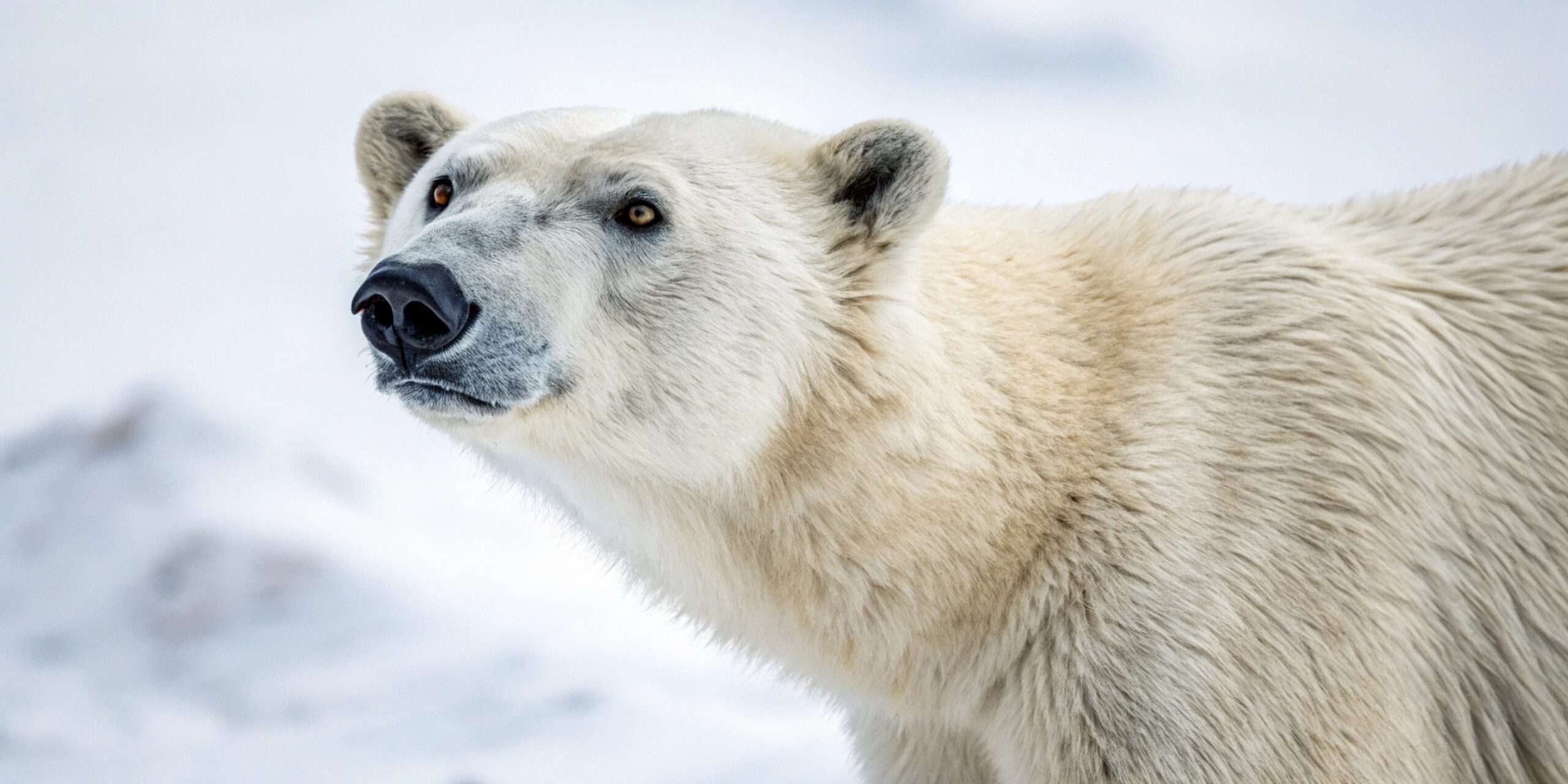
Scientists have identified genetic changes in polar bears that could help them cope with rising temperatures, offering new insight into how the species may respond to global heating.
Researchers from the University of East Anglia found that polar bears living in south-east Greenland show distinct genetic differences from those in colder northern regions. The study suggests that warmer conditions are influencing how certain genes are expressed, particularly those linked to heat stress, ageing and metabolism.
The team analysed blood samples from bears in two Greenland regions, focusing on so-called “jumping genes” – mobile DNA elements that can alter how other genes function. By comparing gene activity with local climate data, they found significantly higher activity of these jumping genes in bears from the warmer south-east.
Lead researcher Dr Alice Godden said the findings mark the first statistically significant evidence linking climate change to DNA changes in a wild mammal. She explained that the increased activity of jumping genes may represent a rapid, last-resort adaptation to melting sea ice and shifting environments.
The study also found genetic changes related to fat processing, potentially helping bears survive food shortages. Southern bears tend to rely more on rough, plant-based diets, compared with the seal-rich diets of northern populations, and their DNA appears to be adjusting accordingly.
While the findings offer some hope for polar bears, scientists cautioned that genetic adaptation alone will not be enough to save the species. With up to two-thirds of polar bears expected to disappear by 2050, the researchers stressed that cutting global carbon emissions remains essential to slowing warming and protecting their Arctic habitat.