Officials identified fake websites and political adverts during Moldova’s recent election and cited fake news sites that spread videos with fabricated claims about Ukrainian President Volodymyr Zelenskyy to weaken public backing.
The UK announced sanctions against Russian media and ideological outlets on Tuesday as the foreign minister argued that Western nations must improve their response to information warfare from hostile foreign actors.
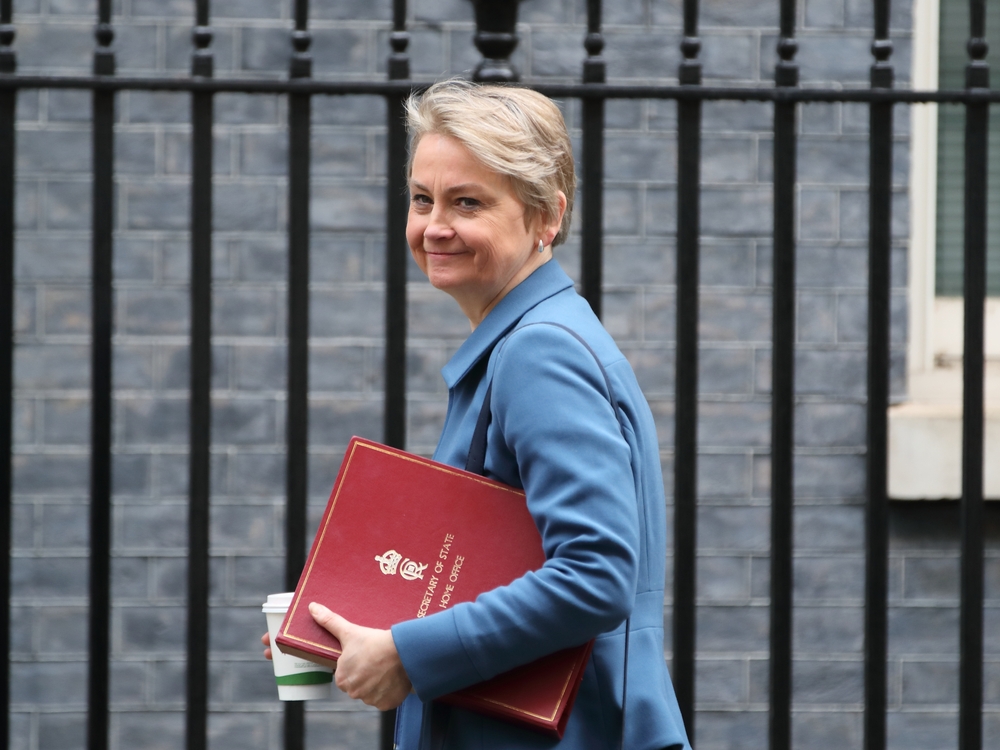
Foreign Secretary Yvette Cooper confirmed sanctions on the Telegram channel Rybar, the Foundation for the Support and Protection of the Rights of Compatriots Living Abroad — described by Estonian intelligence as a GRU front — and the Centre for Geopolitical Expertise, run by far-right Russian writer Aleksandr Dugin.
Officials also sanctioned two China-based companies for conducting broad cyber operations against the UK and its allies.
UK Warns of Escalating Hybrid Threats
In a speech at the Foreign Office, Cooper warned that Britain and its partners now face escalating hybrid threats designed to damage vital infrastructure, undermine national interests, and interfere in democratic processes.
She described the activity as Russian information warfare and insisted that the UK is defending itself.
She outlined threats that include sabotage and disinformation campaigns that flood social networks with AI-generated material and manipulated videos intended to erode Western support for Ukraine’s defence against Russia’s full-scale invasion.
British officials cited fake websites, political adverts during Moldova’s election, and fabricated videos targeting Zelenskyy and his wife to reduce international backing for Ukraine.
Cooper Stresses Alliances and International Resolve
Cooper delivered her remarks as the UK marked 100 years since the Locarno Treaties, which strengthened European peace after World War I.
She emphasised the need for international cooperation as US President Donald Trump continues to unsettle long-standing alliances and raise questions about America’s commitment to NATO.
Cooper met US Secretary of State Marco Rubio in Washington on Monday and said those discussions clearly reaffirmed the strength of US support for NATO.