EU leaders close ranks amid tariff threat
European leaders have vowed to stand together after US President Donald Trump threatened to impose sweeping new tariffs unless Denmark agrees to sell Greenland, a move that has stunned diplomats and raised fears of a fresh transatlantic trade war. Leaders across the EU said they would respond in a unified and coordinated way, stressing that Europe’s sovereignty is not up for negotiation.
European Commission President Ursula von der Leyen warned that escalating tariffs would seriously damage relations between longtime allies and risk triggering a spiral of retaliation. EU Council President António Costa said he would coordinate the bloc’s response as Washington signalled it could move ahead with new duties as early as February.
Greenland dispute sparks diplomatic backlash
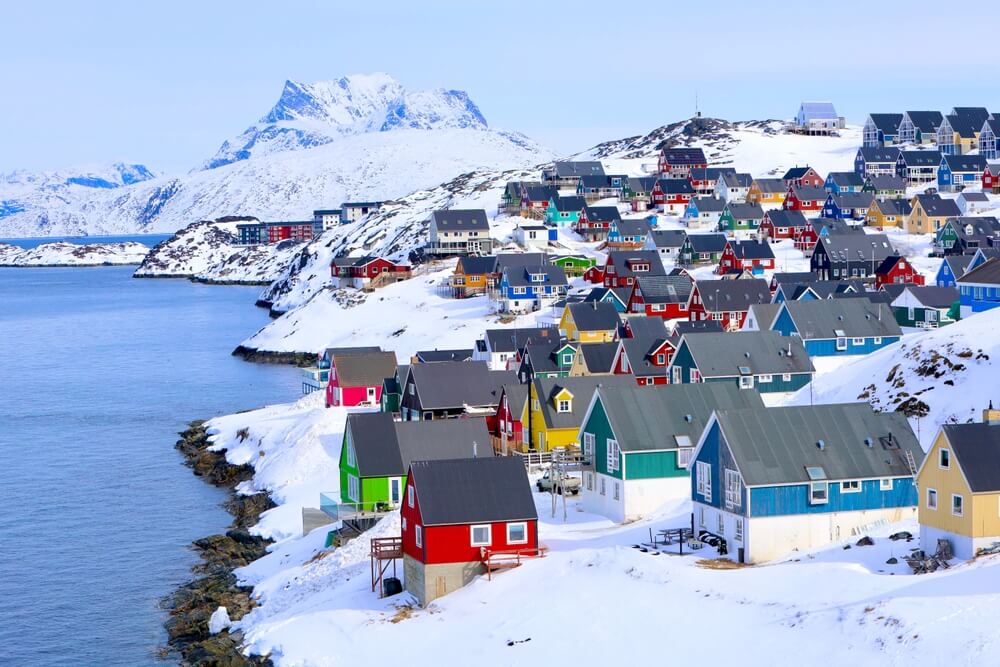
Trump announced that products from Denmark, Sweden, Norway, France, Germany, the Netherlands, Finland and the United Kingdom could face an additional 10% tariff, rising to as much as 25% by June, unless a deal is reached for the transfer of Greenland to US control. Greenland is a semi-autonomous territory of Denmark, and Copenhagen has repeatedly rejected the idea of selling it.
The threat followed a joint European mission to Greenland aimed at strengthening Arctic security, a move that angered the White House. Danish officials pushed back strongly against US claims that Greenland is vulnerable to Russian and Chinese military activity, saying there is no evidence to support that narrative. Denmark’s foreign minister said he was taken aback by Washington’s reaction, insisting the mission was in line with shared security goals.
French President Emmanuel Macron said Europe would not be intimidated, warning that threats and pressure tactics would not influence EU positions. Sweden’s prime minister echoed that sentiment, saying Europe would not allow itself to be blackmailed.
Calls grow for Europe to hit back
The standoff has reignited debate in Brussels over whether the EU should abandon its cautious approach to Trump and deploy its toughest trade defence measures. Lawmakers are increasingly calling for the use of the EU’s anti-coercion instrument, a powerful tool that allows the bloc to restrict market access, block public contracts and target specific industries in response to political pressure.
Senior members of the European Parliament said the US president had crossed a line by using trade as leverage against allies. Some have urged the EU to suspend recent tariff concessions granted to Washington and freeze the latest EU-US trade deal altogether.
As tensions rise, European leaders appear determined to show that economic pressure will not force concessions on territorial or political issues, even if it means a sharp deterioration in relations with the United States.