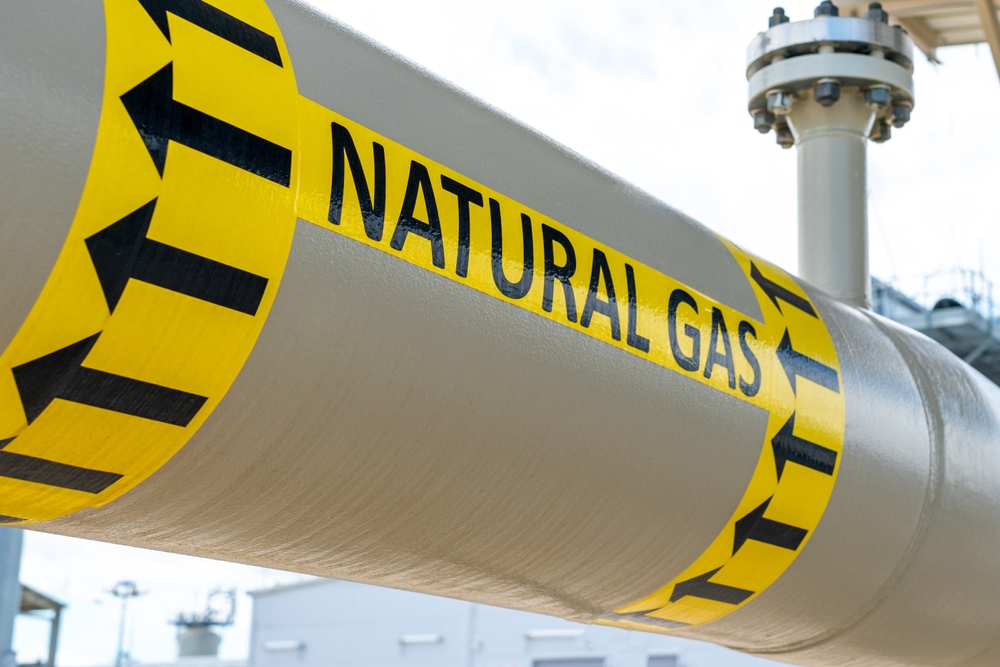
The EU aims to end reliance on Moscow and stop funding Russia’s war on Ukraine.
EU lawmakers approved a ban on Russian gas pipelines and LNG entering the bloc by late 2026 and mid-2027.
Hungary and Slovakia will receive exceptions that allow access to Russian gas during supply emergencies.
The ban will apply from April and June 2026 for short-term LNG and pipeline contracts signed before June 2025.
Long-term LNG contracts may continue until January 2027, and long-term pipeline deals must end by September 2027.
Member states may push the pipeline deadline to November 2027 if storage levels require it.
Disputes Over Energy Security
The EU accelerated its shift away from Russian energy after Moscow invaded Ukraine in 2022 and disrupted prices.
EU data shows dependence fell from 45% pre-invasion to 13% in early 2025, but imports still cost €10 billion.
Belgium, France, and Spain continued receiving Russian LNG through transhipments.
Landlocked states argued the ban could trigger supply risks and raise their prices unfairly compared with coastal states.
The European Parliament opposed exemptions but eventually accepted them to break the negotiating deadlock.
Hungary and Slovakia plan to contest the law, arguing it violates EU treaties and harms their national interests.
New Rules Mark Major Shift
The agreement includes a suspension clause that the Commission may activate if a country declares an emergency.
A state may invoke emergency rules if its gas reserves remain below 90% by November 1.
EU countries must now draft national diversification plans to end Russian gas and oil imports by March 2026.
The ban also covers TurkStream imports unless companies prove the gas only transited Russia or Belarus.
EU leaders call the deal a milestone toward full independence from Russian energy and a blow to Putin’s war finances.
Officials insist the bloc will never return to volatile Russian supplies or to energy blackmail.
Lawmakers say the law protects Europe from market manipulation and prevents threats to European jobs.
Energy ministers will vote on the final text on December 15, followed by a Parliament vote the same week.