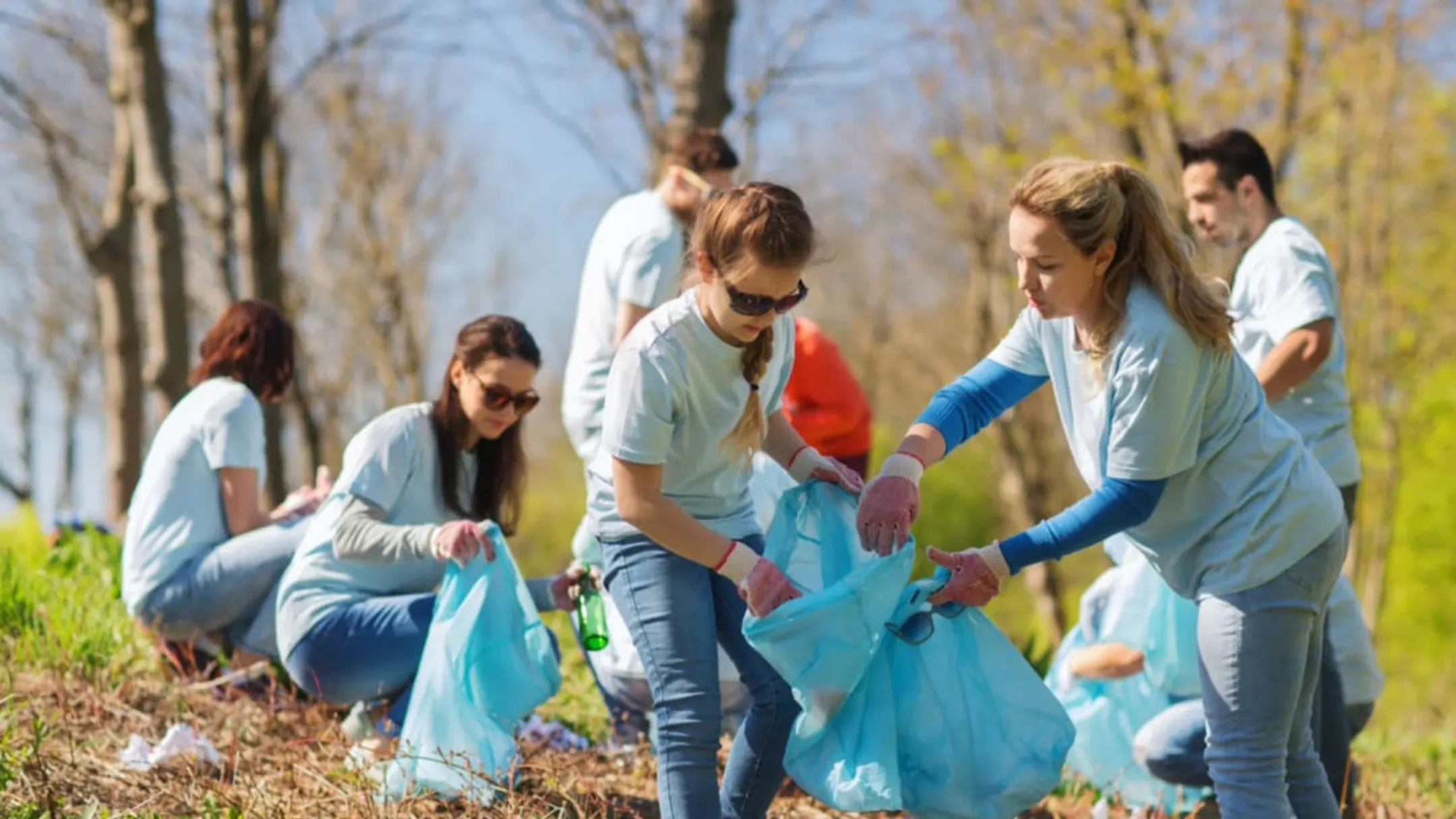
Community kindness movements are gaining momentum across the United States, encouraging people to act with generosity and compassion in their daily lives. Local programs, including “pay-it-forward” initiatives, volunteer projects, and neighborhood support networks, are helping to strengthen communities in cities like Birmingham, Alabama, and beyond.
Organizers say these movements aim to make small acts of kindness a normal part of life. Programs often encourage individuals to help strangers, neighbors, or local organizations without expecting anything in return. “The idea is simple,” said a movement coordinator. “One small act of kindness can inspire many more and create a ripple effect in the community.”
“Pay-it-forward” programs are among the most popular initiatives. Participants perform good deeds, such as paying for a stranger’s coffee, leaving groceries for someone in need, or volunteering at local shelters, with the hope that the recipient will continue the chain of kindness. In Birmingham, several cafés and restaurants have joined the movement, leaving “pay-it-forward” boards for customers to contribute or request support.
The growth of these initiatives reflects a broader desire among Americans to foster connection and empathy. Residents report that participating in kindness programs improves their sense of community and personal well-being. Experts say that even small, local actions can strengthen social bonds, reduce stress, and create a more positive environment in neighborhoods.
Local organizations play a key role in supporting community kindness movements. Nonprofits, schools, and religious groups often coordinate volunteer opportunities and organize events that encourage participation. By partnering with local businesses, these programs can reach more people and sustain long-term impact.
Social media has also contributed to the spread of kindness initiatives. Stories of local generosity often go viral, inspiring other communities to adopt similar programs. Residents post examples of “pay-it-forward” acts, neighborhood cleanups, and volunteer projects, demonstrating that simple gestures can have a meaningful impact. This visibility helps connect participants and encourages more people to get involved.
Experts note that community kindness movements are not only about helping others—they also promote civic engagement. People who participate often become more aware of local needs, support neighborhood projects, and engage with their community in other ways. This involvement can lead to lasting improvements in local quality of life, including safer streets, better schools, and stronger social networks.
Health benefits are another advantage of these initiatives. Studies show that performing acts of kindness can reduce stress, improve mood, and even support physical health. Participants in Birmingham and other cities report feeling more connected and happier when contributing to their community. The positive feedback loop created by shared generosity reinforces ongoing participation.
Community kindness movements are also adapting to meet modern challenges. Programs now address a wide range of needs, from supporting food-insecure families to helping the elderly and isolated residents. By combining traditional volunteer work with innovative ideas like surprise donations or community events, these initiatives remain engaging and effective.
Organizers hope that these programs will continue to grow nationwide. By encouraging small, consistent acts of kindness, they aim to inspire a culture of generosity and collaboration across the United States. Residents are reminded that anyone can contribute, whether by volunteering, donating, or simply showing compassion in everyday interactions.
Overall, community kindness movements demonstrate the power of collective action and human empathy. From Birmingham to larger cities, Americans are increasingly participating in programs that promote generosity, strengthen local connections, and build more resilient neighborhoods. As these initiatives spread, experts say the impact can reach far beyond individual acts, creating a lasting culture of kindness across the nation.