Is the West in Decline — or Just Divided?
This year’s Munich Security Conference exposed a growing philosophical split across the Atlantic. American, Ukrainian and European leaders gathered to debate the future of the West, but their speeches revealed sharply different ideas about what that future should look like.
U.S. Secretary of State Marco Rubio warned that the West risks managing its own decline if it fails to confront policy mistakes on climate and migration. He said Washington has “no interest in being polite and orderly caretakers” of a fading order and urged European allies to help restore what he described as a shared civilization. While his tone was less combative than last year’s remarks by Vice President JD Vance, the underlying message was similar: the West needs a course correction.
European leaders pushed back. Kaja Kallas rejected the notion that Europe is decadent or in need of rescue, insisting the European Union remains resilient. Ursula von der Leyen said she felt reassured about transatlantic ties after Rubio’s speech, even as tensions linger over U.S. rhetoric and strategic priorities.
Europe’s Role in Ukraine and a Shifting World Order
Ukrainian President Volodymyr Zelenskyy used the conference to argue that Europe has been sidelined in U.S.-brokered peace talks with Russia. Calling it a “big mistake,” he stressed that European security is directly at stake and should be fully represented at the negotiating table. European nations are currently the largest providers of financial and military support to Ukraine and are expected to shoulder much of the burden of future security guarantees.
French President Emmanuel Macron echoed concerns about Europe’s security architecture, warning that the continent must rethink its defense framework in the face of an aggressive Moscow. Lithuanian President Gitanas Nausėda bluntly suggested that dialogue efforts matter little if the Kremlin refuses to engage seriously.
Meanwhile, German Chancellor Friedrich Merz offered a stark assessment of global affairs. The post–World War II rules-based order, he argued, has effectively collapsed. In its place, “big power politics” has returned, bringing unpredictability and renewed pressure on Europe to defend its own freedom with determination.
Nuclear Deterrence, Greenland and Europe’s Defence Future
Security debates extended beyond Ukraine. Macron confirmed that France has opened strategic talks with Germany about how its nuclear deterrent might fit into a broader European defense framework — a discussion gaining urgency as doubts grow over Washington’s long-term commitment to Europe.
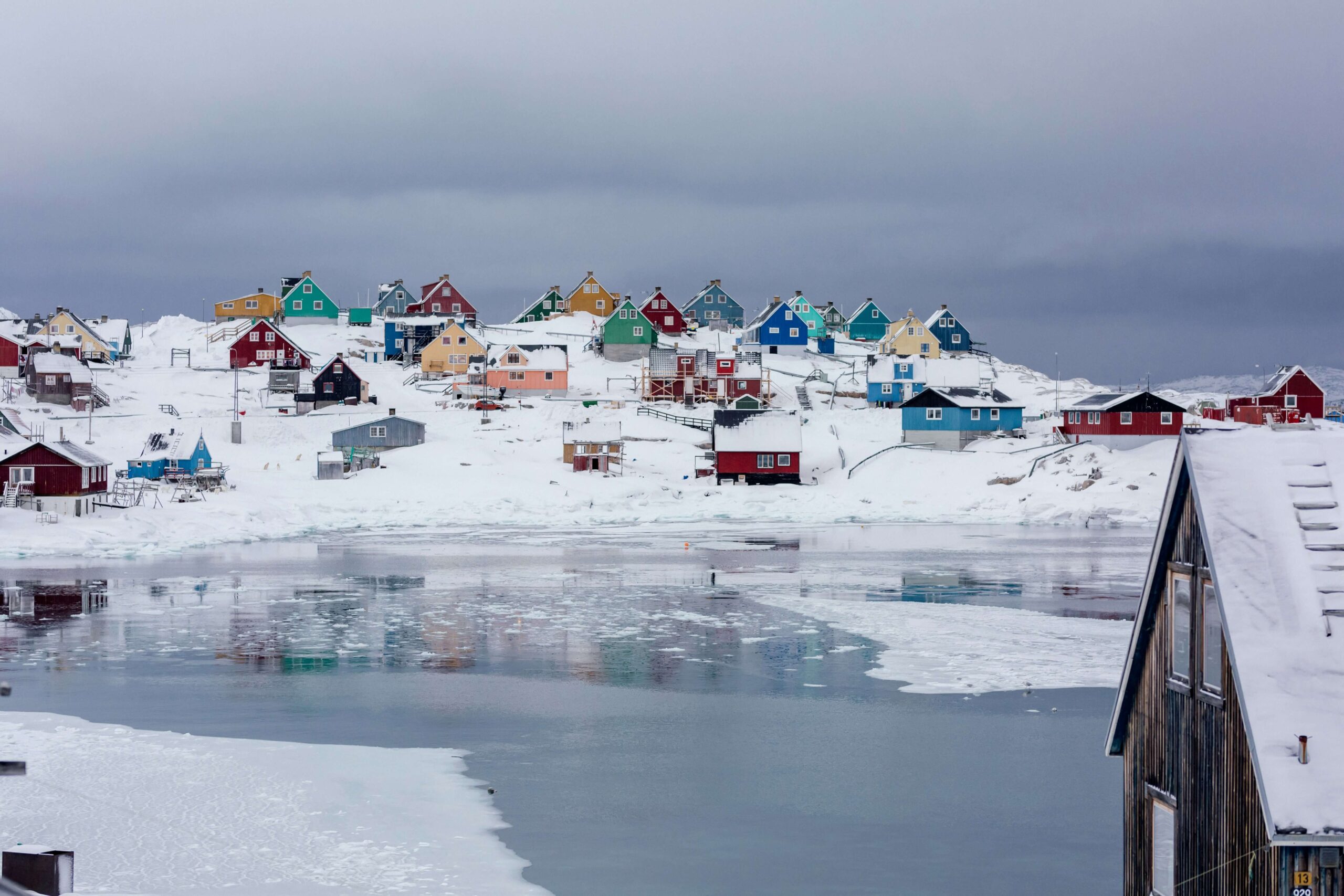
The issue of Greenland also resurfaced. Danish Prime Minister Mette Frederiksen said U.S. President Donald Trump still appears interested in asserting control over the Arctic island. She called Denmark’s territorial integrity a “red line,” even as NATO works to ease tensions through new security initiatives in the region. Greenland’s Prime Minister Jens-Frederik Nielsen described recent trilateral discussions as a constructive first step but rejected outside pressure.
Von der Leyen also urged the European Union to give real force to its mutual defense clause, Article 42(7), arguing that Europe must strengthen its own capabilities. The bloc has already launched an €800 billion defense readiness plan, reflecting growing awareness that Europe may need to take greater responsibility for its own security in an increasingly uncertain world.