How banned goods are slipping through Germany
Russia has been using a logistics setup in Berlin to quietly bypass European Union sanctions, according to an investigation by German newspaper Bild. The scheme allegedly relies on international mail, which is subject to lighter controls than standard exports, allowing sanctioned goods to reach Moscow with minimal scrutiny.
The investigation tracked test packages fitted with GPS devices as they passed through a logistics facility near Berlin Brandenburg Airport without interference. From there, the consignments were routed through Poland and Belarus before arriving in Russia.
According to Bild, the shipments used labels from Uzbekistan’s state postal service, despite that service not being authorised to operate in Germany. Because international mail is processed quickly and in high volumes under simplified customs rules, it often avoids the checks applied to regular commercial exports.
The operation is reportedly run by the former managing director of RusPost GmbH, the German subsidiary of Russia’s state postal service, identified as Dimitri V. German customs searched the company’s Berlin offices in August 2024 on suspicion of sanctions breaches, but the investigation did not lead to charges.
Ukraine urges tougher action
Ukraine’s presidential envoy for sanctions policy, Vladyslav Vlasiuk, said the revelations were hardly surprising. Speaking to Euronews in Berlin, he argued that enforcement across Europe remains insufficient.
“Nobody is doing enough, if you look at the number of cases,” Vlasiuk said when asked whether Germany was doing enough to close loopholes. He added that Ukraine regularly gathers intelligence on sanctions evasion and shares it with international partners, noting that such systems are well known to Ukrainian authorities.
Vlasiuk is currently visiting several European countries, including the Netherlands and Belgium, to push for stricter enforcement. At a press conference at the Ukrainian embassy, he outlined three priorities: tougher financial sanctions, stopping Western-made components from reaching Russia, and stronger action against Russia’s shadow fleet.
He warned that Western components have been found in many of the more than 50,000 Shahed drone attacks launched by Russia, and said alternative payment methods such as cryptocurrencies are helping actors get around existing bans. While Russia’s economy is under pressure, he argued that the impact of sanctions is still not strong enough.
Shadow fleet still moving oil
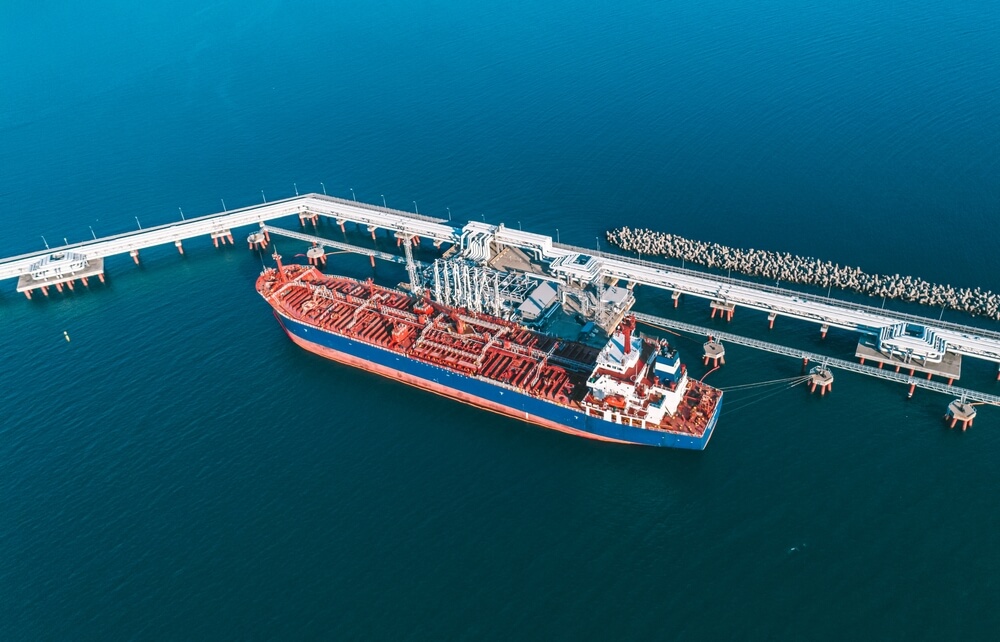
Russia’s shadow fleet remains a major concern for sanctions enforcement. Moscow continues to evade oil and commodity restrictions by using ageing tankers that are often poorly insured and registered under shifting or unclear flags of convenience.
Despite EU sanctions on more than 600 vessels, around 70% of them are still active and transporting oil for Russia, according to Vlasiuk. He said the bloc needs to consider physical measures to stop these ships.
France took action last week by intercepting and seizing the tanker Grinch in the western Mediterranean, saying the vessel was suspected of sailing under a false flag and breaching sanctions.
On 26 January, Germany and 13 other EU countries issued a joint warning about ships operating in the Baltic and North Sea under multiple or false flags. They said such vessels would be treated as stateless unless they carry valid documents, communicate properly with authorities and comply with maritime safety rules.
The statement signalled a tougher stance, but did not spell out how the measures would be enforced or what penalties ships would face if they fail to comply.