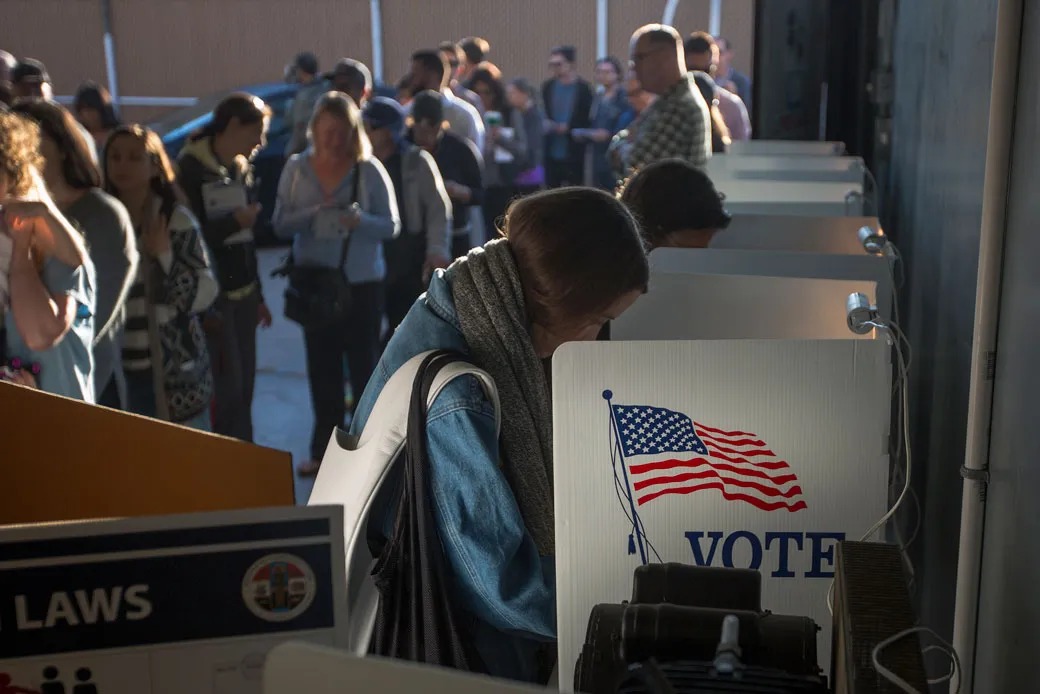
Across the United States, U.S. voter engagement trends are showing a clear rise ahead of the upcoming midterm election cycle. New national polling suggests that more citizens are paying attention to politics and policy debates than in earlier periods.
The increase in engagement is visible in voter surveys and public discussions. Many Americans say they are following political news more closely. They are also taking a stronger interest in how government decisions affect daily life.
One major focus in U.S. voter engagement trends is healthcare. Many voters are concerned about access, costs, and insurance coverage. Healthcare remains one of the most important policy issues for families across income levels.
The economy is another top concern. Rising prices, wages, and job stability are shaping voter opinions. Many citizens say economic pressure is influencing how they view political leaders and their policies.
Government accountability is also a key issue. Voters are asking for more transparency in decision-making. They want clearer explanations of how public funds are used and how policies are implemented.
Analysts say U.S. voter engagement trends often rise during midterm election cycles. These elections usually reflect public opinion on the current government’s performance. As a result, voter attention tends to increase as election day approaches.
Political participation is also expanding beyond voting. Many citizens are attending local meetings, following debates, and engaging on social platforms. This broader involvement shows growing interest in political outcomes.
Experts say younger voters are playing a larger role in U.S. voter engagement trends. Many young people are using digital platforms to stay informed. They are also more likely to express opinions on social and political issues online.
At the same time, older voters continue to remain highly active. They often have strong turnout rates and long-standing interest in policy debates. This mix of age groups is shaping the overall engagement landscape.
Public opinion research shows that trust in institutions remains an important factor. Some voters express confidence in the electoral process. Others say they want stronger safeguards and clearer rules.
Campaign activity is also increasing as candidates prepare for the midterms. Political parties are focusing on key issues such as healthcare, inflation, and public safety. These topics are expected to dominate upcoming debates.
U.S. voter engagement trends are also influenced by media coverage. News outlets and digital platforms play a major role in shaping awareness. Social media discussions further amplify political conversations.
Experts say that higher engagement does not always translate into higher turnout. However, increased attention often leads to more informed voters. This can impact election outcomes in closely contested areas.
Advocacy groups are encouraging citizens to stay involved. Many organizations are promoting voter registration and education efforts. Their goal is to ensure broader participation in elections.
There is also growing concern about misinformation. Some analysts warn that false or misleading content can affect voter perceptions. Efforts are underway to improve information accuracy and media literacy.
Despite differences in opinion, most observers agree that political awareness is rising. U.S. voter engagement trends show that citizens are more active in following national issues than in previous cycles.
As the midterm elections approach, attention is expected to increase further. Campaigns, debates, and policy discussions will likely draw even more public interest. Lawmakers and candidates are preparing for a highly engaged electorate.
In the coming months, voter engagement will remain a key factor in shaping political outcomes. The level of public attention suggests that policy debates and accountability issues will continue to drive national discussion.