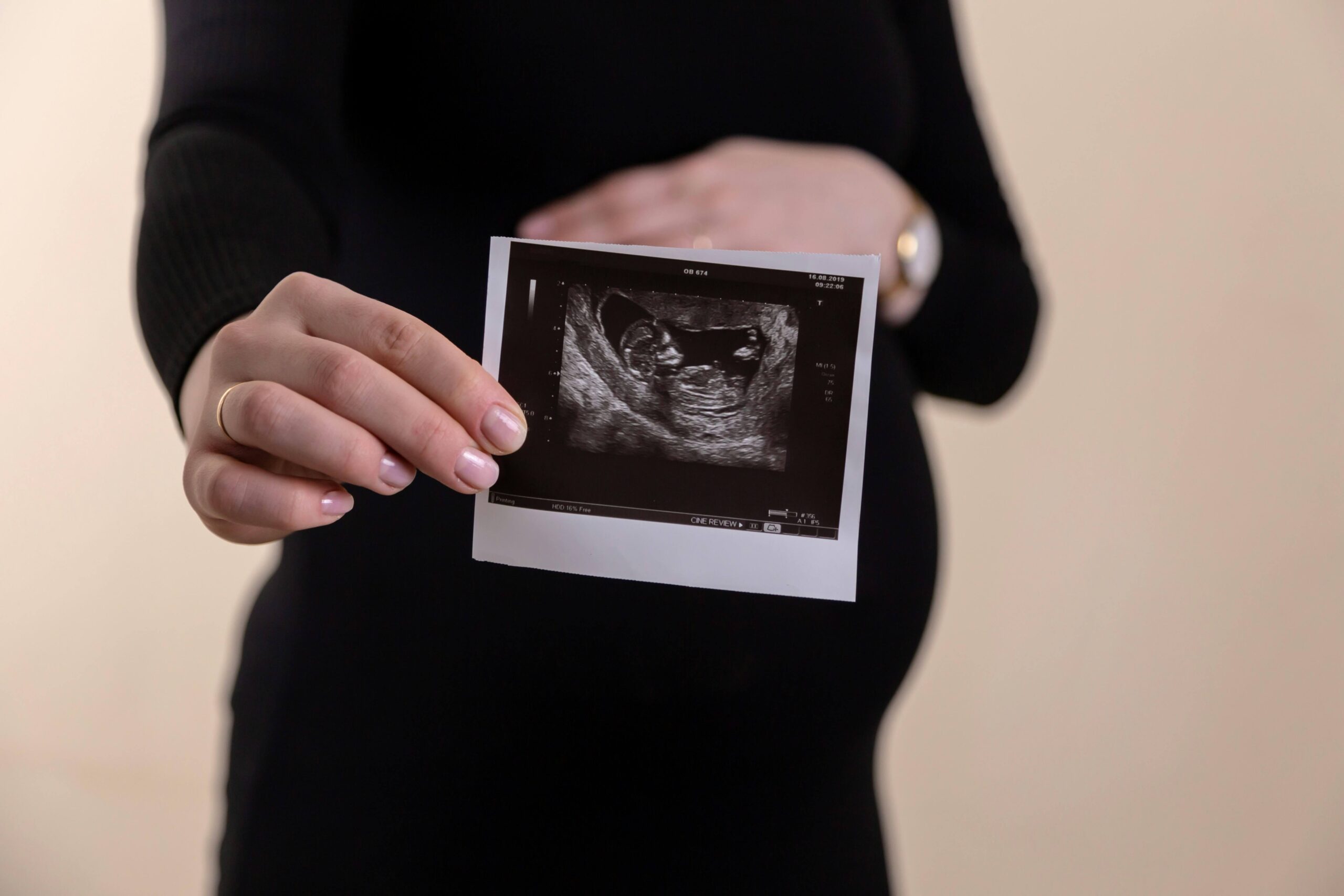
A newly approved artificial intelligence system could soon make prenatal ultrasounds more accurate, helping doctors spot fetal abnormalities that are often missed during routine scans.
AI Steps Into the Ultrasound Room
The United States Food and Drug Administration has cleared an AI-powered software developed by American start-up BioticsAI for use in clinical settings. Designed to work alongside existing ultrasound machines, the tool analyses images in real time while a scan is being carried out.
Ultrasounds are a standard part of prenatal care and play a crucial role in monitoring a baby’s development. However, many conditions affecting organs or limbs can go undetected. The new technology aims to support clinicians by flagging potential concerns during the scan itself, rather than after it is completed.
How the Technology Works
As soon as an ultrasound image is captured, the software assesses its quality and suggests adjustments if needed to improve clarity. It also checks whether all key parts of the fetus are visible, alerting the operator if any areas are missing from view.
Using patterns drawn from large international datasets, the AI can identify signs of abnormalities, including heart and limb defects. At the end of the examination, it produces a summary report that doctors can review, a process the developers say could save around eight minutes per patient by reducing manual paperwork.
The FDA’s clearance confirms that the software meets medical device standards and can be safely integrated into existing healthcare systems.
Why Detection Still Falls Short
According to European Commission data, major congenital anomalies affect nearly 24 out of every 10,000 births in Europe. Research highlights the limitations of current screening methods. A major review by Cochrane, analysing studies covering more than seven million pregnancies, found that early scans between 11 and 14 weeks detect just 38 percent of birth defects. Scans carried out later, between 18 and 24 weeks, identify about 51 percent. When both are used, detection improves to 84 percent, but gaps remain.
Similar AI-based solutions are also emerging in Europe. French companies Diagnoly and Sonio Detect have received approval for tools that automatically identify fetal structures and heart issues, pointing to a future where technology plays a growing role in improving prenatal care outcomes.