Germany’s new chancellor is wasting no time shaping Europe’s trade future. Friedrich Merz has thrown his weight behind expanding the EU’s global trade network, backing both the newly approved Mercosur pact and a long-awaited free trade agreement with India that could be signed within weeks.
Berlin Bets Big on Free Trade
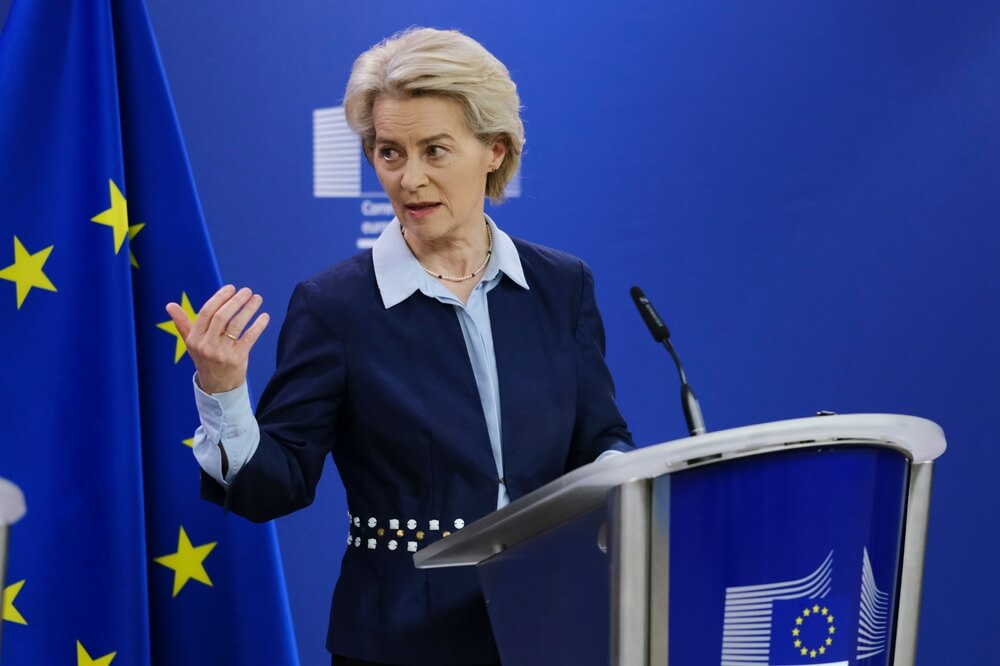
Speaking during a visit to India, Merz said European Commission President Ursula von der Leyen and European Council President Antonio Costa could travel to New Delhi by the end of the month to sign an EU-India free trade agreement. He framed the deal as a vital step at a time when global protectionism is on the rise.
Merz warned that nationalist trade policies in the United States and China have created an urgent need for Europe to diversify its economic partnerships. Calling India the fastest-growing economy in the G20, he described the country as a key strategic partner in the Indo-Pacific and said negotiations have entered their final phase.
The proposed summit in India had been discussed in Brussels late last year, though previous ambitions to finalize the agreement by the end of 2025 fell short. Merz now believes momentum has returned and a breakthrough is close.
Negotiations Face Green and Trade Policy Hurdles
Behind the optimism, difficult issues remain. India’s commerce minister Piyush Goyal recently met EU trade chief Maroš Šefčovič in Brussels to push negotiations forward, but disagreements persist — particularly over sustainability rules and enforcement mechanisms tied to environmental standards.
India has also raised concerns over the EU’s Carbon Border Adjustment Mechanism, which places levies on imports based on carbon emissions. At the same time, both sides are under pressure from growing trade friction with the US and China, making the deal strategically important despite unresolved differences.
Still, Merz expressed confidence that concluding the agreement would send a strong signal that Europe remains committed to open markets and global cooperation.
Trade Expansion Sparks Political Storm in France
While Germany celebrates progress on new trade partnerships, not everyone in Europe is on board. The EU’s recently approved Mercosur agreement — strongly supported by Berlin — has ignited political turmoil in France, where leaders fear cheap Latin American agricultural imports could threaten local farmers.
French President Emmanuel Macron faces mounting opposition from both far-right and far-left parties, who are pushing for a vote of no confidence over the government’s handling of the deal. Tensions are expected to rise further when von der Leyen travels to Paraguay on 17 January to formally sign the Mercosur agreement.
As Europe races to broaden its trade alliances, Merz’s push for open markets signals Germany’s intent to lead the charge — even as divisions grow within the bloc over how far that strategy should go.