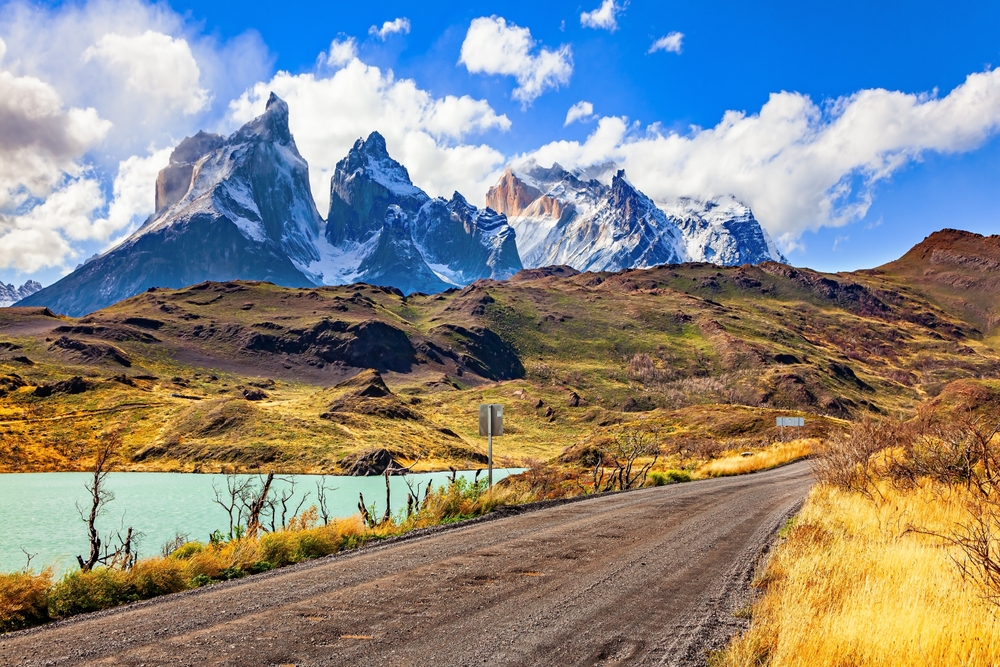
An absence of rangers and weak forecasts pushed a group of tourists onto the O Circuit despite worsening weather. Torres del Paine National Park in Chile’s icy Patagonia receives up to 300,000 visitors each year, many attempting its famous treks. But on 17 November, a sudden blizzard hit the remote O Circuit, killing five hikers and trapping many others in whiteout conditions for hours. The tragedy, driven by extreme weather, exposed long-criticised safety problems in Patagonia’s parks.
Blizzard Strikes the O Circuit
A group of about 30 international hikers left Los Perros campsite before dawn on 17 November, aiming to cross John Garner Pass. They began the day in light rain and moderate winds, but conditions shifted quickly as they climbed. By late morning, visibility dropped to a few metres and winds rose far beyond predictions, forcing many trekkers off the trail.
The O Circuit, a demanding 130 to 140 km loop around the massif, challenges even experienced hikers. Soon after 10 am, the blizzard hit with near-horizontal snow, violent gusts and complete loss of visibility. The group reached the exposed, upper stretch of John Garner Pass, where worsening weather split them apart as some turned back and others climbed higher, unaware of the storm’s intensity.
Heavy snow, freezing temperatures and a lack of shelter trapped several hikers. Five died: Mexican couple Cristina Calvillo Tovar and Julian Garcia Pimentel, German couple Nadine Lichey and Andreas von Pein, and British trekker Victoria Bond. Survivors found them along a high, open stretch of the pass during the worst of the storm.
Safety Concerns Intensify
Survivors reported receiving no clear or timely warnings about conditions on John Garner Pass. Camp staff allegedly described the forecast as normal, with only moderate winds. The route stayed open despite signs of danger. Many also criticised the park’s slow response once conditions worsened. Survivors said no officials were present to organise an evacuation, leaving stranded trekkers to conduct early rescue efforts alone. Without trained personnel in that remote area, unprepared tourists carried the burden of coordinating aid in whiteout conditions.
CONAF, the National Forestry Corporation of Chile, oversees Torres del Paine’s routes, including closures, access control and weather monitoring. Official guidance instructs visitors to follow ranger directions and check in at ranger stations for safety updates.
Staffing Shortages Deepen the Crisis
During high season, rangers should monitor weather, track trail conditions and inform hikers about risks. But survivor accounts said no rangers were near the dangerous pass when the storm hit. Without staff to evaluate conditions or close the route, visitors assumed the crossing remained safe.
Many rangers were reportedly off duty to vote in the 2025 Chilean presidential election on 16 November, reducing staff presence by roughly half. CONAF confirmed no rangers were stationed in the Los Perros–John Garner Pass sector when the blizzard struck. Reports indicated only about 51 staff members were present in the park that day.
This shortage reflects a broader, ongoing staffing problem. As of 2025, Chile’s national parks had just 450 highly trained rangers for 13.2 million hectares. A 2018 Lincoln Institute report noted that many protected areas in Chile, including those in Patagonia, operated with teams of fewer than five employees. In June 2025, thousands of CONAF workers joined a nationwide strike over resource shortages and administrative issues.
Across the border in Argentina, local sources said park rangers were resigning in large numbers due to problems linked to new policies under Javier Milei’s government.