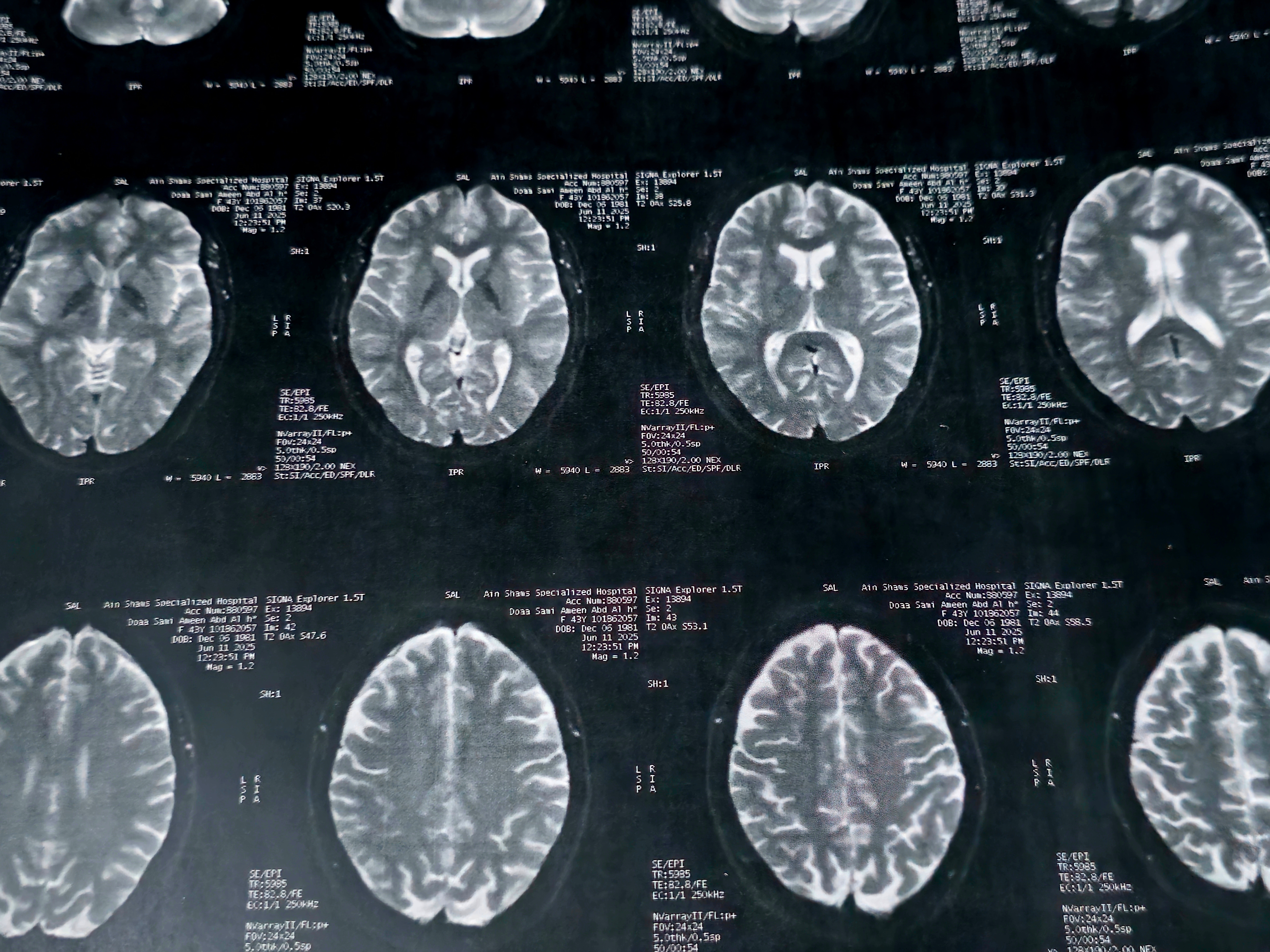
Scientists have identified five major phases of human brain development, with four key “turning points” occurring at roughly ages 9, 32, 66 and 83, according to a large new study.
Researchers analysed brain scans from nearly 4,000 people ranging from infancy to 90 years old, mapping how neural connections change over a lifetime. The findings suggest brain development is not a smooth, gradual process but moves through distinct eras marked by major shifts in structure and connectivity.
The five phases are:
- Childhood: birth to around age 9
- Adolescence: roughly ages 9 to 32
- Adulthood: starting in the early 30s and lasting into the mid-60s
- Early ageing: from about age 66
- Late ageing: beginning around age 83
During early childhood, the brain goes through “network consolidation,” where excess neural connections are pruned and more active pathways are strengthened. Although grey and white matter grow rapidly, the overall efficiency of brain wiring temporarily decreases during this phase.
In the adolescent era, white matter continues to expand and the brain’s communication networks become more efficient, which is linked to improved cognitive performance. Researchers noted this period may be critical for understanding why many mental health disorders first appear in adolescence.
The most significant structural shift occurs around age 32, when the brain enters its longest and most stable adult phase. This stage is associated with greater compartmentalisation of brain regions and a plateau in traits such as intelligence and personality.
The later turning points, around ages 66 and 83, are defined by decreasing brain connectivity, likely linked to ageing and gradual degeneration of white matter.
Researchers say understanding these key transitions could help identify when the brain is most vulnerable to developmental and degenerative disorders.