A feature lifts the curtain on hidden origins
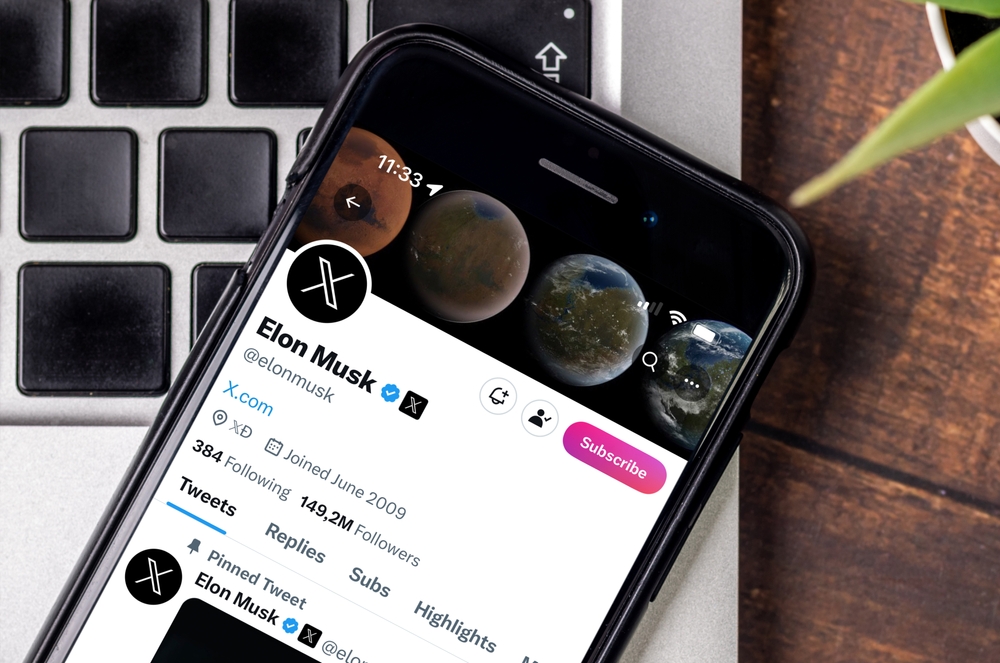
X’s new location tool has exposed numerous political accounts with huge reach. Users discovered pro-Trump accounts that discussed US politics but operated from other countries. Some anti-Trump accounts also used misleading locations. Their posts gained millions of impressions that could lead to payouts from X.
X insists the tool provides strong accuracy
The location tag appears in the new “about this account” tab on every profile. The tab warns that travel, temporary stays and VPNs can influence the data. But X’s product chief Nikita Bier claims the information is 99% accurate. On Saturday, Trump shared a screenshot on Truth Social from the account “TRUMP_ARMY_”. The post praised a Supreme Court ruling that allegedly allows him to deport criminals to El Salvador. The account has more than half a million followers, including a senior Republican senator. X’s data shows the account operates from India and changed its username four times since March 2022. The last change happened in July 2022. The profile now says it belongs to “an Indian who loves America, President Trump, Musk!”
Fan pages surprise followers with their true locations
Another account named “IvankaNews_” described itself as a fan page for Trump’s daughter. It gained more than one million followers and previously urged people to vote for Trump last year. But X’s data shows the account operates from Nigeria and changed its username 11 times since 2010. After users noticed its location, the account wrote that “some of us living outside the USA genuinely support President Trump’s movement”. X seems to have suspended the account, though the reason remains unclear.
Critics of Trump also face exposure
Investigators found anti-Trump accounts posting from unexpected regions. One account with 52,000 followers claimed to be a “proud Democrat” and “professional Maga hunter”. The user deleted the profile after the new feature revealed activity from Kenya.
Scottish debates draw foreign involvement too
Researchers uncovered several accounts claiming Scottish roots and backing Scottish independence. X’s location data shows these accounts used the Android app from Iran. The tab lists the Netherlands as their location but warns that VPN use may affect the result.
Financial incentives fuel much of this behaviour
Most exposed accounts carried blue ticks. This badge shows they subscribed to X’s Premium service, which allows creators to earn money from engagement. Users must pass identity checks and gather more than five million impressions in three months. Alexios Mantzarlis from Cornell Tech says this system worsens platform issues. He argues that the paid badge boosts revenue rather than meaningful verification. He adds that features like “community notes” still show efforts to increase transparency.
Researchers point to varied motives
Experts say hidden locations stem from mixed incentives. Darren Linvill from Clemson University studies misinformation. He says some accounts come from troll farms or state-backed operators. Others simply want to earn money by posing as Americans. Mantzarlis agrees and says plenty of money flows to those who stir US culture wars online. He notes that political groups and state actors have long relied on covert accounts to influence debates.
Workarounds will emerge despite new rules
Linvill believes users will adapt quickly even with the new tool. He says bad actors will bypass the system with VPNs and adjust how they create accounts. He warns that these tactics could make accounts appear as though they originated in Western countries or even within the US.