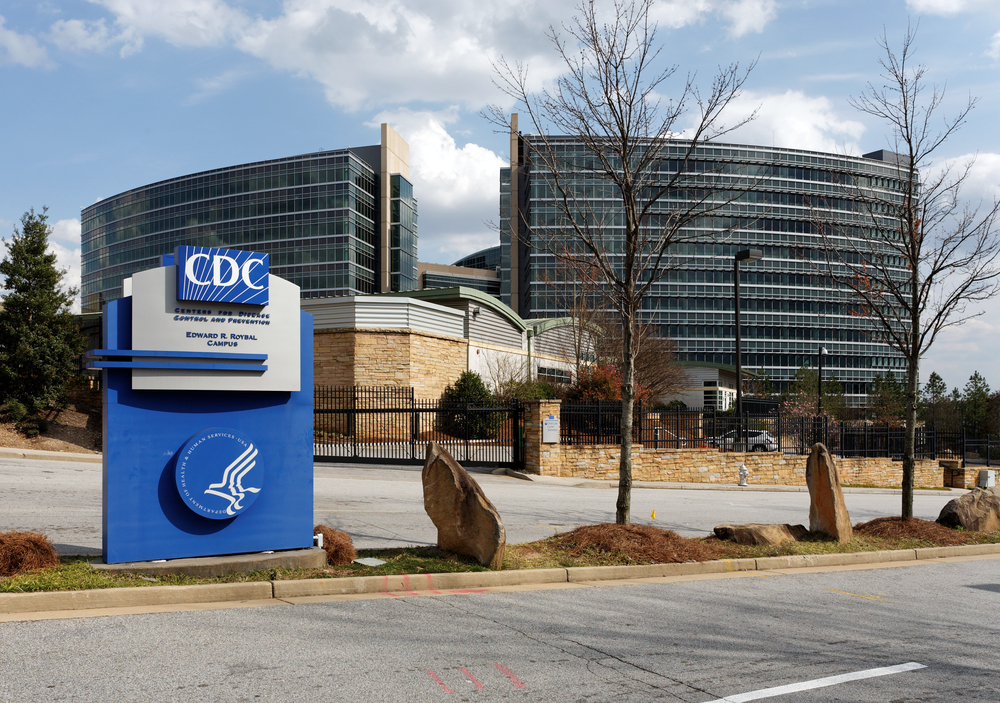
Page Edits Raise Deep Concerns
The CDC changed critical parts of its website on Wednesday, adding wording that questions long-settled vaccine science. The updates suggest researchers have not fully dismissed a possible link between vaccines and autism. Experts say this framing distorts decades of research and risks confusing families.
Language Designed to Create Doubt
The revised text claims the statement “vaccines do not cause autism” is not evidence-based because studies cannot test every scenario. Specialists say this technique aims to promote uncertainty. Alison Singer of the Autism Science Foundation explains that science cannot prove an absolute negative. She says the strength lies in large bodies of consistent evidence.
Singer stresses that the evidence overwhelmingly shows vaccines do not cause autism. Her foundation notes that no environmental factor has been studied more deeply than vaccines and their ingredients.
Doctors Push Back Strongly
Pediatrician Paul Offit rejects the CDC’s new phrasing. He says the logic could apply to almost anything and warns that such reasoning distorts science. A federal health spokesperson states that the final wording will reflect the highest scientific standards.
A senior FDA commissioner recently told Sanjay Gupta that he does not believe vaccines cause autism. He says no medical product is entirely without risk and warns that rigid claims harm trust.
Large Studies Show No Link
The updated CDC page asserts that research supporting a link has been ignored. This claim is inaccurate. Studies suggesting a connection were flawed or fraudulent. Many strong studies show no link.
A major Danish study in 2019 tracked more than 650,000 children. About 6,500 were later diagnosed with autism. Researchers found no difference in autism rates between vaccinated and unvaccinated children. This held across different backgrounds and vaccine histories. The authors concluded the MMR vaccine does not raise autism risk.
Yet the updated CDC page omits this study. It highlights older reviews and questions about aluminum in vaccines. A 2025 Danish study found no link between aluminum and 50 health conditions, including autism. The CDC page still calls for more investigation.
The site also mentions a federal review of autism causes. Singer calls this a misuse of resources. She says strong genetic evidence already explains most cases.
The page still displays the line “Vaccines do not cause autism.” A footnote says it remains due to an agreement made during the health secretary’s confirmation.
A senator later confirmed discussing the matter with the secretary. He says families need clear information. He stresses that vaccines for major childhood diseases remain safe and do not cause autism.
Experts Warn of Worsening Misinformation
Vaccine researcher Peter Hotez says the updated CDC page repeats long-debunked claims. He notes past misinformation about MMR vaccines, thimerosal, and aluminum. He calls the new content dangerous and urges its removal.
A former CDC immunization leader wrote that the changes are “a national embarrassment.” He says staff were blindsided and warns that such moves deepen public mistrust. Pediatric experts fear further drops in vaccination rates.
Political Pressure Shapes the Shift
The edits reflect broader efforts by the administration to challenge long-standing vaccine policy. The health secretary brought in advisers known for opposing vaccines. Some faced sanctions or criticism for false or unreliable research. They now analyze federal data for claims of hidden vaccine risks.
Routine childhood vaccinations continue to drop across the country. Outbreaks of measles and whooping cough are rising sharply. CDC disease experts warned this week that the nation may soon lose its status as free of continuous measles transmission.