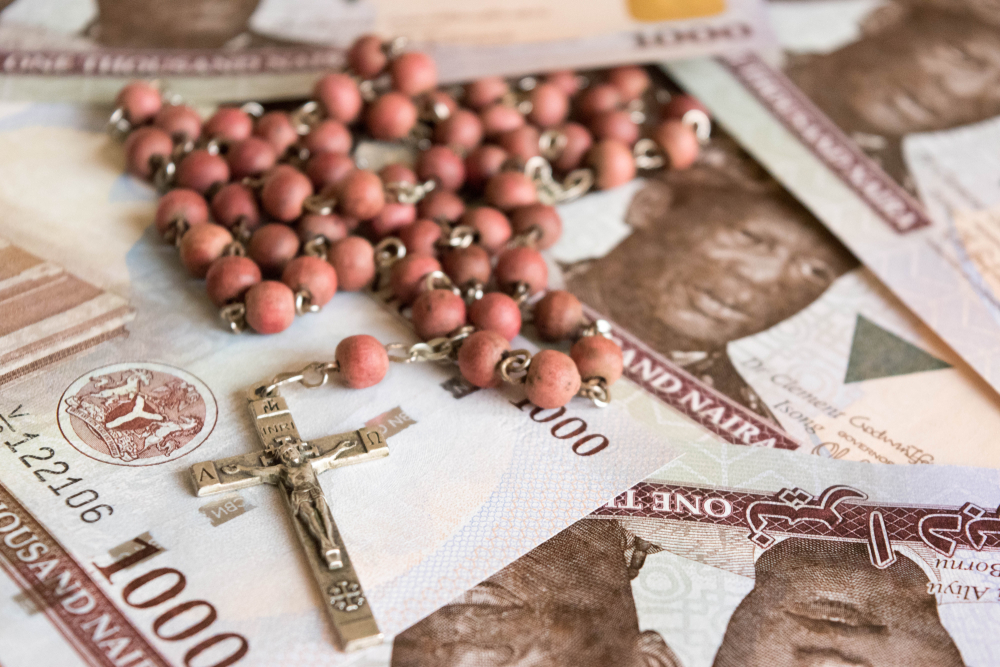
Nigeria faces growing tension after U.S. President Donald Trump threatened military action over alleged Christian persecution. On Sunday, Nigerians awoke to reports that Trump had ordered the Pentagon to prepare for potential strikes against Islamist militants. He warned that Washington would “cut all aid” and could go “guns blazing” if Nigeria failed to protect Christians.
President Bola Ahmed Tinubu rejected any talk of invasion and said he would meet with Trump to discuss counterterrorism and security cooperation. He stressed that any collaboration must respect Nigeria’s sovereignty. Tinubu also said claims portraying Nigeria as a religiously intolerant country misrepresent its social reality.
Nigeria Pushes Back Against Simplified Narrative
Tinubu’s spokesperson Daniel Bwala described Trump’s remarks as a possible “negotiation tactic,” emphasizing ongoing cooperation between both nations through intelligence sharing and arms procurement. However, the debate reignited long-standing fears about religious violence.
Amnesty International reported in May that over 10,000 people have died in jihadist attacks since Tinubu took office. Nigeria, home to around 220 million people split between Christians and Muslims, continues to face violence from groups like Boko Haram and Fulani extremists.
While Washington views the situation as anti-Christian persecution, many Nigerians see a more complex crisis. Analysts say Muslims in the north also suffer frequent attacks. Some evangelical leaders disagree, insisting Christians remain the primary victims. Reverend Ezekiel Dachomo claimed a deliberate massacre of Christians is underway, accusing the government of trying to disguise it as a broader security issue.
Human rights groups like Open Doors and International Christian Concern reported over 7,000 Christian deaths in 2025, describing the violence as targeted persecution. A 2014 statement from Tinubu criticizing past leadership for failing to protect Christians resurfaced, fueling debate over Trump’s warning.
Fears Grow Over U.S. Motives and Resource Interests
Trump’s remarks followed Senator Ted Cruz’s call to label Nigeria a violator of religious freedom. The comments divided public opinion. Some Nigerians, like broadcaster Cyril Abaku, said U.S. military help could strengthen community safety. “If external support can help us stop terrorism, we should accept it,” Abaku said.
Others warned that Washington’s sudden concern might link to Nigeria’s growing importance in rare earth minerals essential for defense and renewable technologies. Analysts pointed to monazite deposits rich in lithium, nickel, cobalt, and copper found in the insurgency-ridden northeast.
Human rights activist Omoyele Sowore argued that foreign involvement cannot solve Nigeria’s problems. “What Nigeria needs is accountable leadership that protects all citizens and ends corruption and violence,” he said.
The U.S. first listed Nigeria as a “country of particular concern” in 2020 for violating religious freedom, though that designation did not specifically cite Christian persecution. The current crisis, however, risks straining relations further as Nigeria resists outside interference while struggling to end decades of bloodshed.