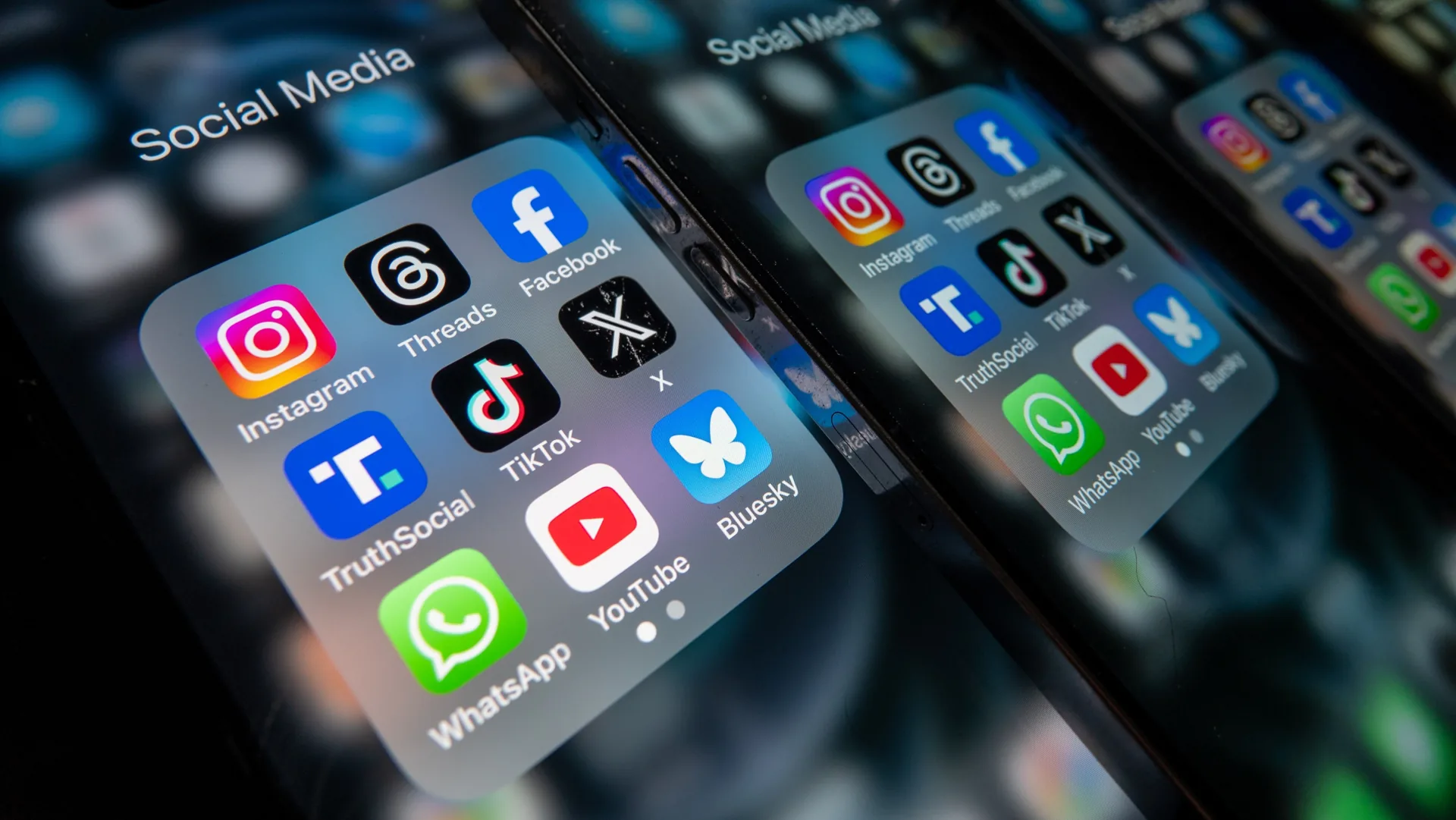
For the first time, Americans are turning to social media and video apps more than television for their news. Nielsen and Reuters Institute data shows 54 % of U.S. adults now get news via social and video platforms, compared to 50 % through TV.
This shift highlights changing audience behavior and the rise of digital-first media. Social media platforms and video apps offer instant access to news, personalized content, and interactive features, attracting a growing share of viewers.
The trend also signals opportunities for media companies to innovate. Digital-first news outlets can expand their reach, develop new content formats, and explore advertising and subscription models tailored to online audiences.
Television remains important, especially for live news and major events. However, the increasing preference for mobile and online consumption is reshaping how news organizations deliver content and engage viewers.
Experts note that younger audiences are particularly driving the change. Millennials and Gen Z are more likely to rely on social media and video apps for news, seeking quick updates, shareable content, and interactive experiences that TV cannot fully provide.
The shift presents challenges and opportunities for traditional media companies. To stay relevant, broadcasters are investing in digital platforms, apps, and social channels to meet audiences where they are. Many have also adopted hybrid strategies, combining television broadcasts with online content distribution.
Advertisers are responding as well. With audiences increasingly online, companies are shifting ad spending toward social media and digital video. This trend underscores the economic significance of the platform shift in addition to its impact on news consumption habits.
Digital-first platforms offer more than convenience—they also allow for real-time engagement, comments, and sharing, fostering community discussions around news stories. This interactivity strengthens audience loyalty and provides data insights for content strategy.
The data also reflects broader changes in media consumption. People are consuming news on multiple devices and platforms, moving between smartphones, tablets, and computers, which increases flexibility but also raises questions about attention and trust in digital news sources.
Overall, the Nielsen/Reuters findings indicate that social media and video apps are now central to how Americans stay informed. The continued growth of digital-first news suggests a media landscape that prioritizes accessibility, personalization, and engagement over traditional broadcast formats.
Media organizations that adapt quickly to these trends are positioned to capture new audiences, innovate with digital storytelling, and explore emerging revenue opportunities. The shift signals a long-term transformation in news consumption habits across the United States.