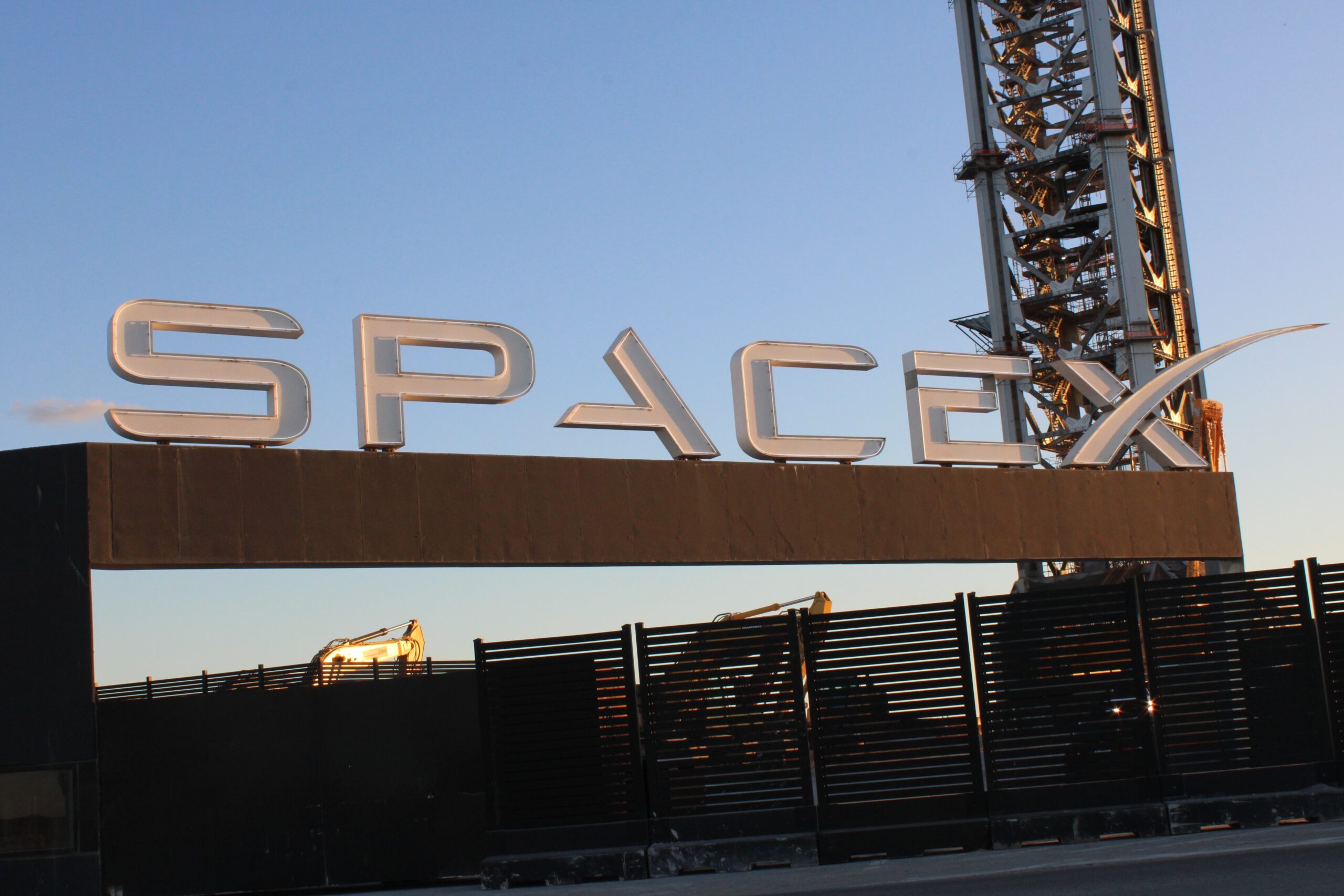
SpaceX launched the CRS-33 mission from Cape Canaveral, marking the Dragon spacecraft’s 50th visit to the ISS.
The first Dragon reached the station in May 2012 during a resupply demonstration.
After stage separation, the booster successfully landed on the droneship A Shortfall of Gravitas in the Atlantic Ocean.
The Dragon is scheduled to dock autonomously with the ISS on Monday after a 28-hour flight.
Delivery and Scientific Research
The CRS-33 mission will deliver 5,000 pounds of food, supplies, and experiments to astronauts on board.
Officials emphasized that this flight goes beyond simple resupply, focusing heavily on critical scientific studies.
Researchers will conduct 50 investigations vital to advancing human space exploration.
One study tests whether blocking a certain protein can prevent bone loss in astronauts during missions.
Heidi Parris, ISS associate program scientist, explained the potential benefits of this experiment for long-duration space travel.
Future Role of the Dragon Spacecraft
Sunday’s launch represented the booster’s seventh flight and the Dragon capsule’s third resupply mission.
In September, NASA will use Dragon to boost the ISS’s altitude, counteracting gradual orbital decay.
Bill Spetch, ISS Program Operations Integration Manager, confirmed NASA contracted SpaceX for reboost capabilities.
He noted that thin atmospheric drag slowly lowers the ISS’s altitude over time.
SpaceX plans for Dragon to return to Earth no earlier than December after completing its tasks.